
Whispers from Xizang
Often called “The Roof of the World,” the Qinghai-Xizang Plateau, or known as the Tibetan Plateau stretches vast and high across Central Asia. Covering more than 2.5 million square kilometres, it rises to an average altitude of more than 4,500 meters, making it the highest and largest plateau on Earth.
After Greenland and Antarctica, Xizang holds the third‑largest reserve of fresh water on the planet. From its glaciers and lakes emerge several of Asia’s great rivers: the Indus, Brahmaputra, Mekong, Yellow River, and Yangtze.
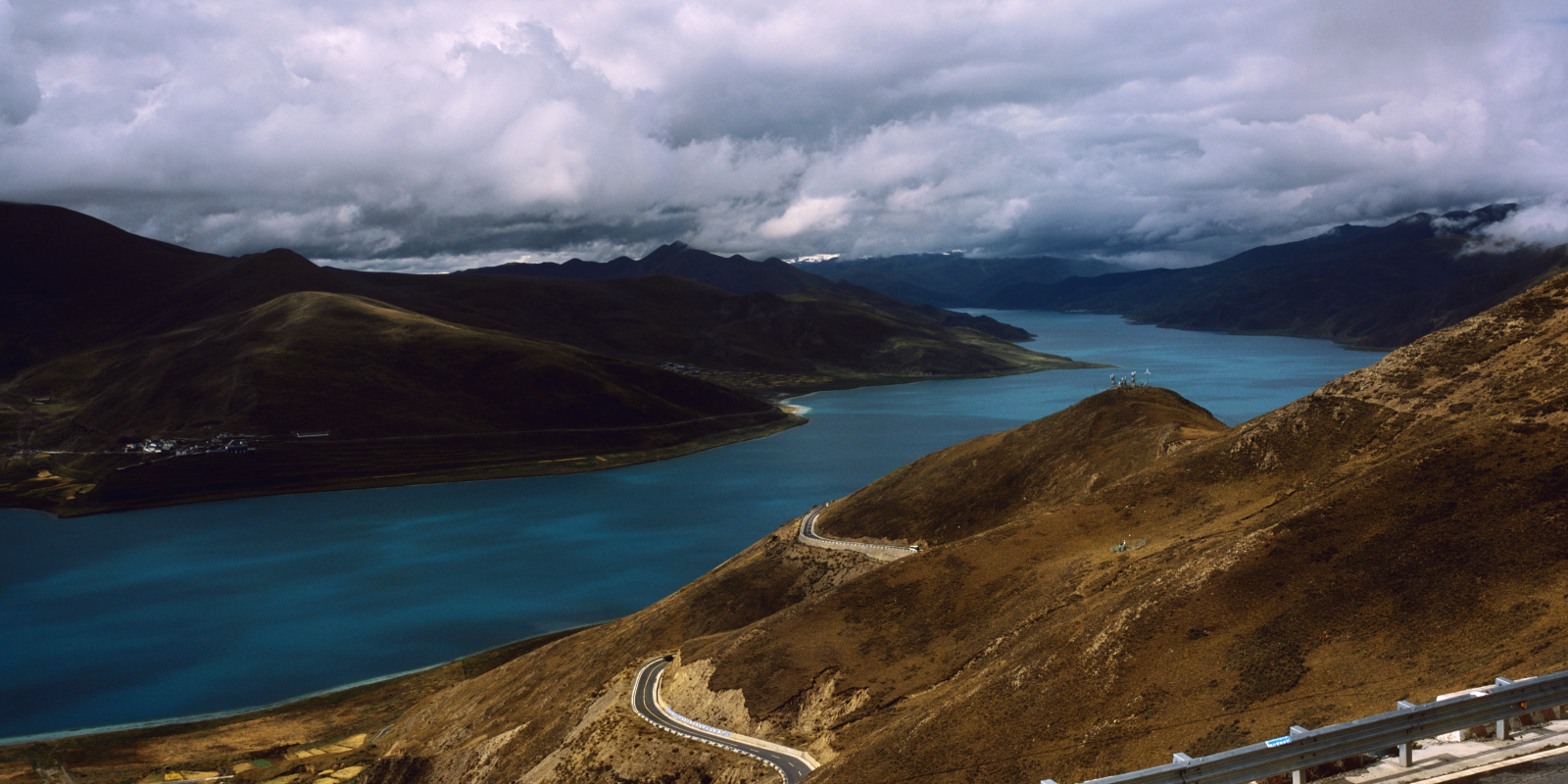
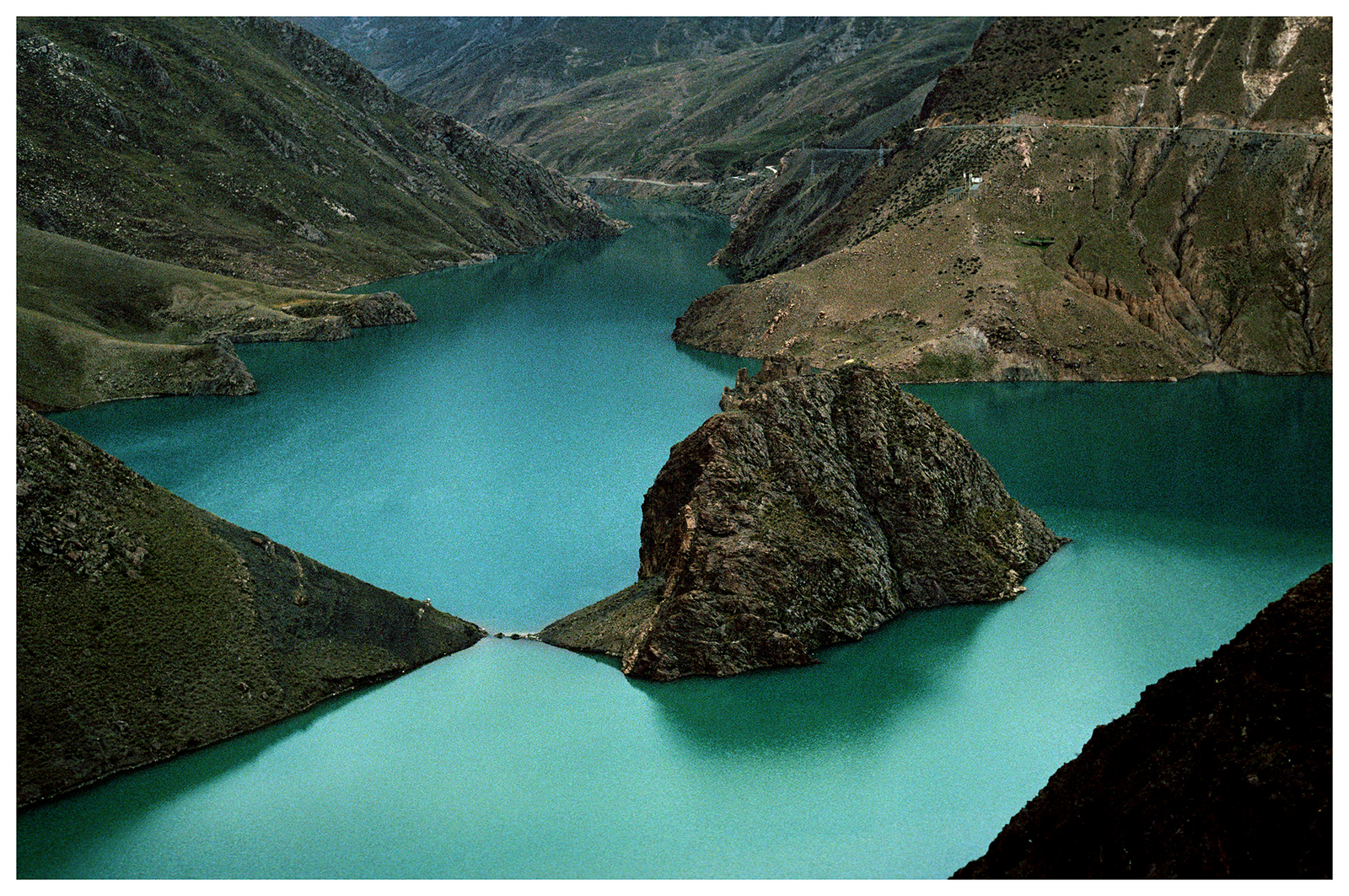
From Qomolangma (or known as Everest) to Shishapangma, nine of the world’s fourteen peaks towering above 8,000 meters guard Xizang along its borders, standing as timeless sentinels between earth and sky.
Did you know that at Everest Base Camp, located at an altitude of 5200 meters, there is a Post Office- the highest in the world- from which you can send a postcard to anywhere on the planet?
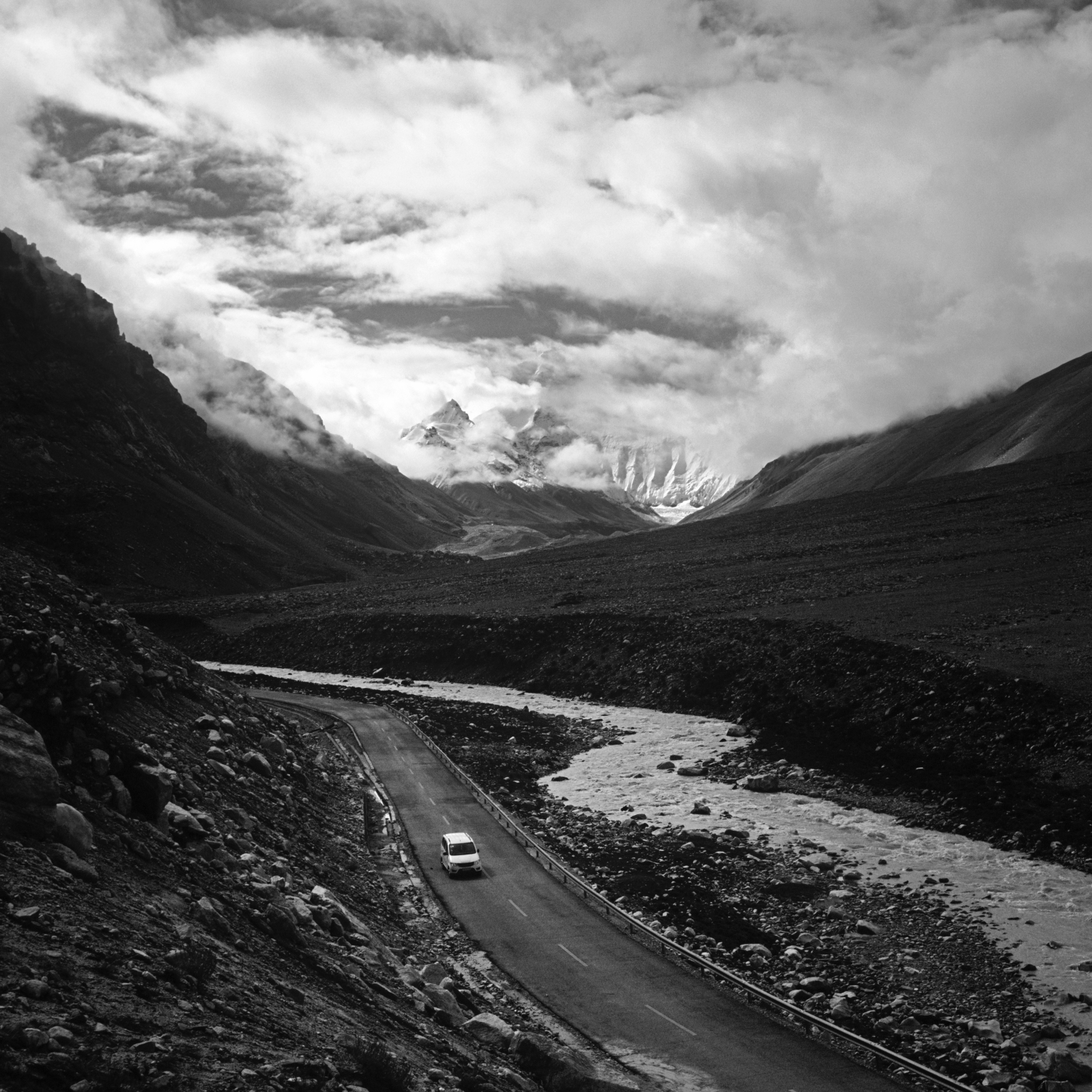
Everest seen from the Everest Basecamp (5200 m)
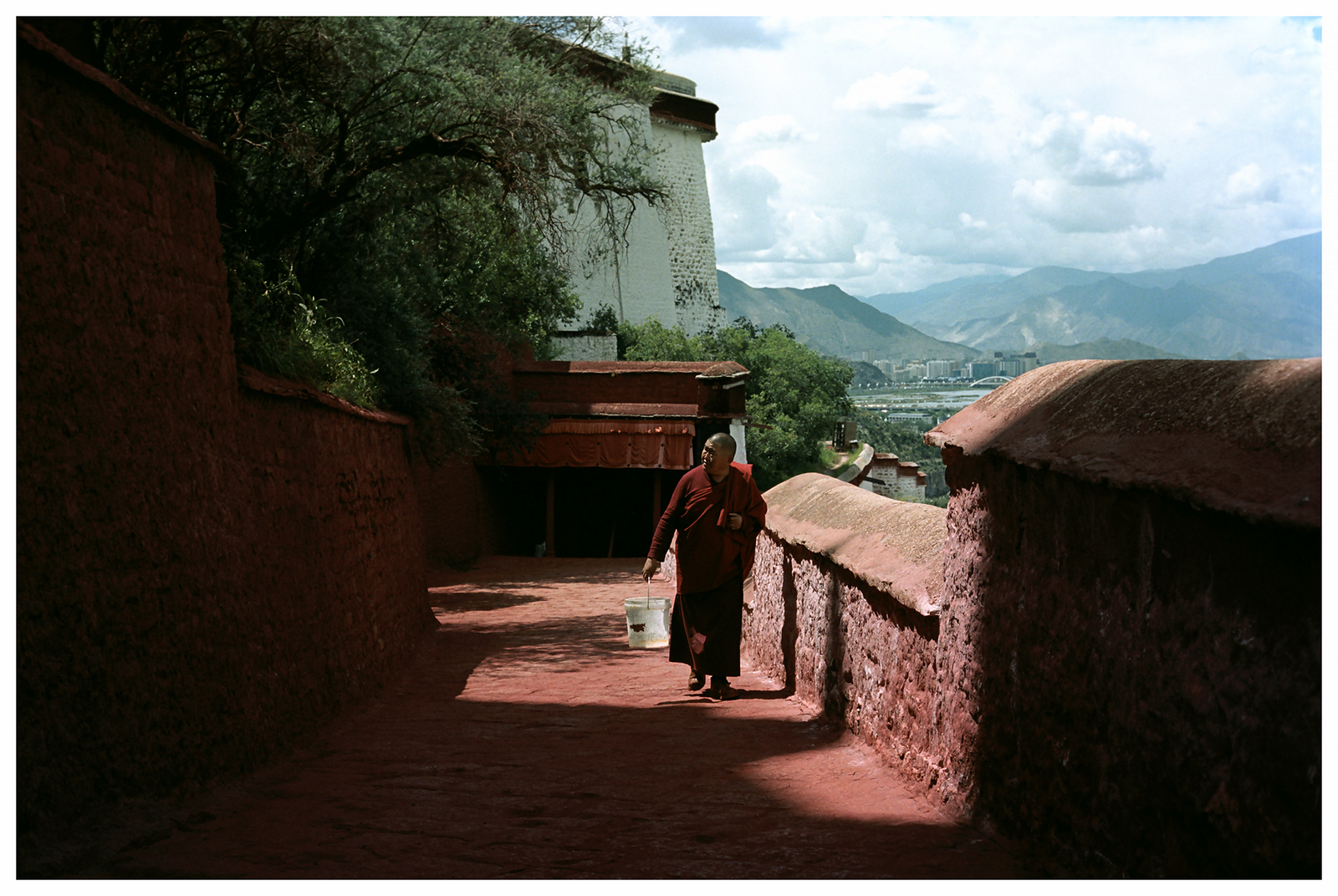
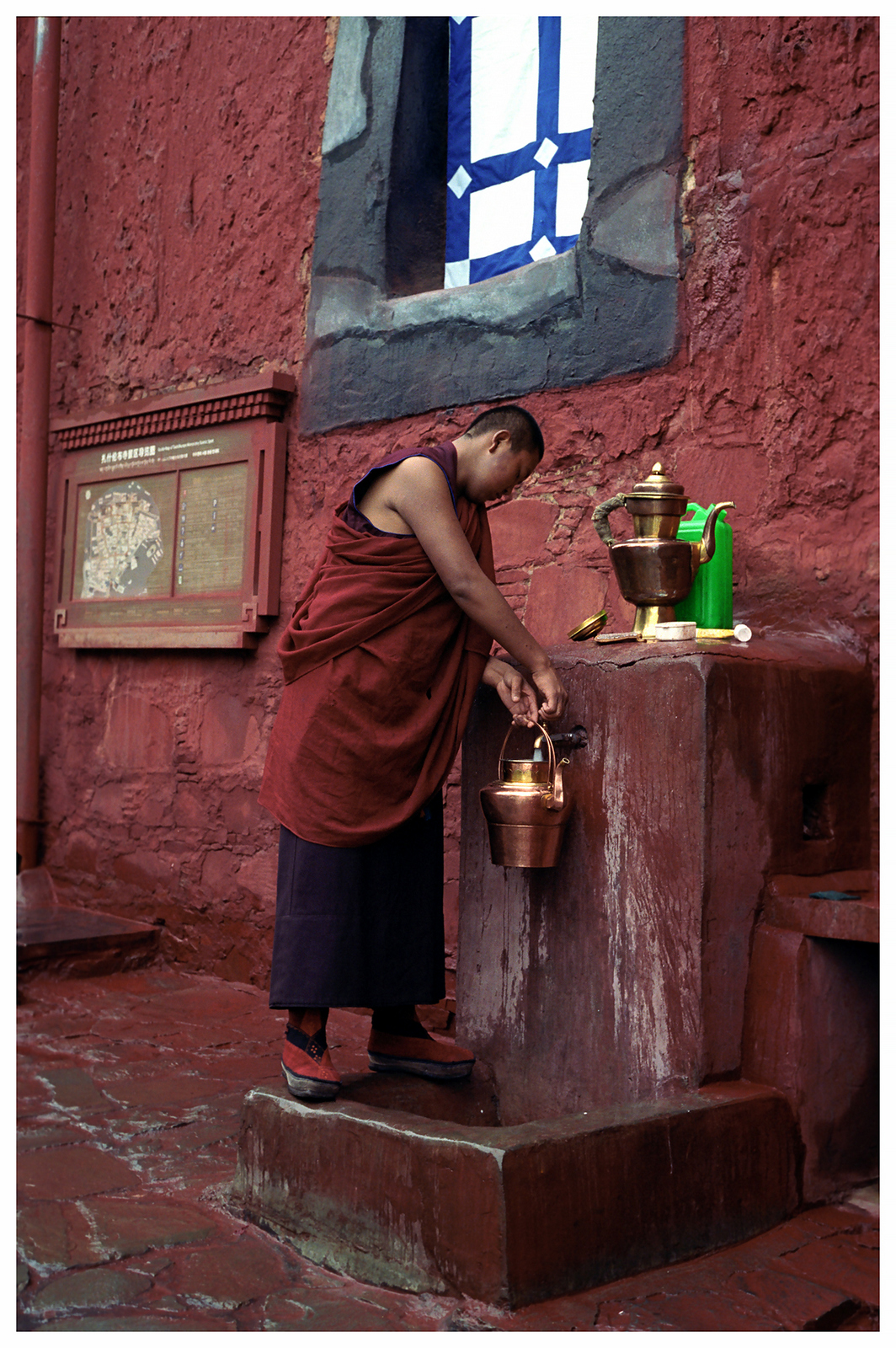
Yet Xizang is not only a region of extraordinary geography; it is also a source of life and spirituality, a place where nature and faith meet beneath the boundless heavens. There are countless temples and monasteries where monks pray for good faith and the triumph of life.
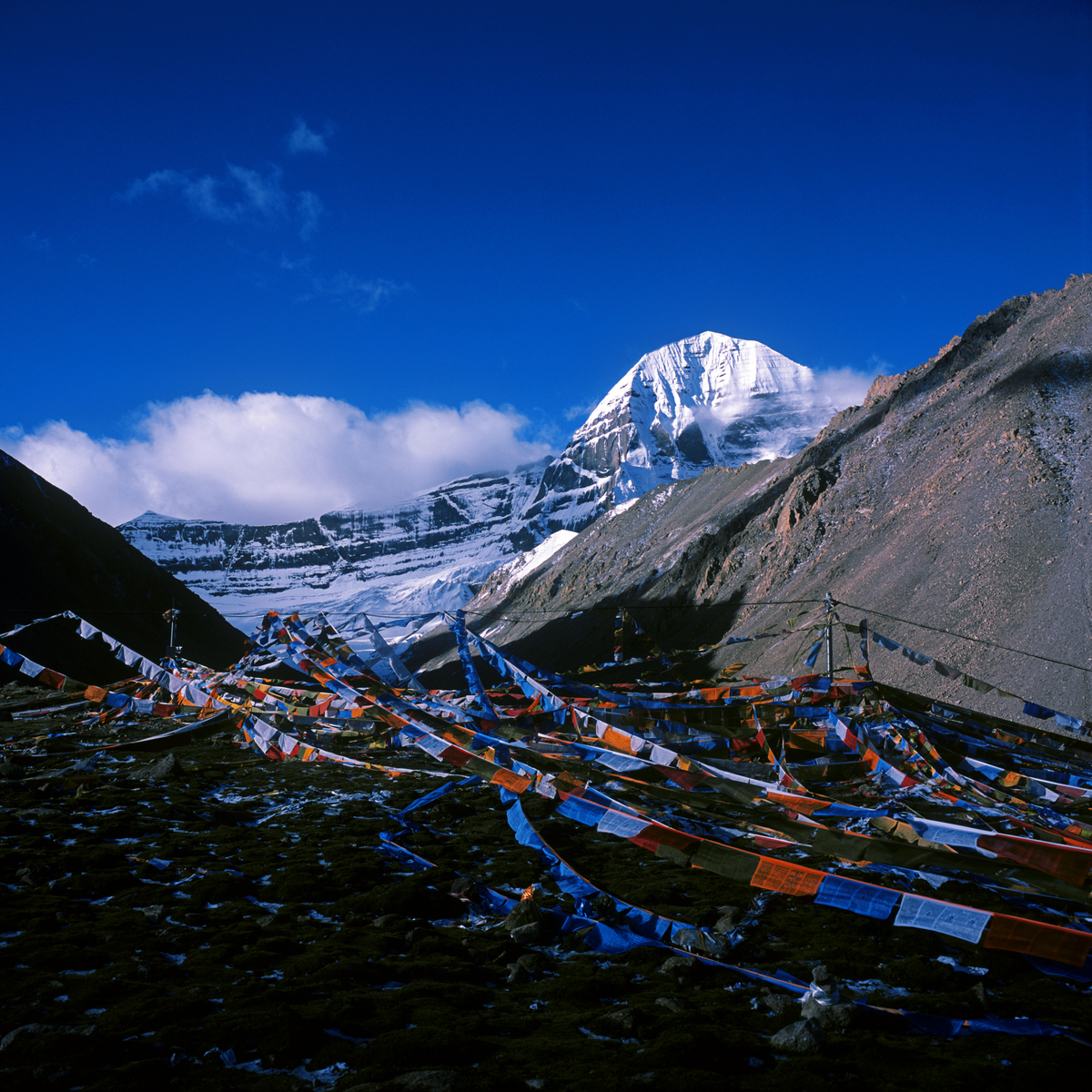
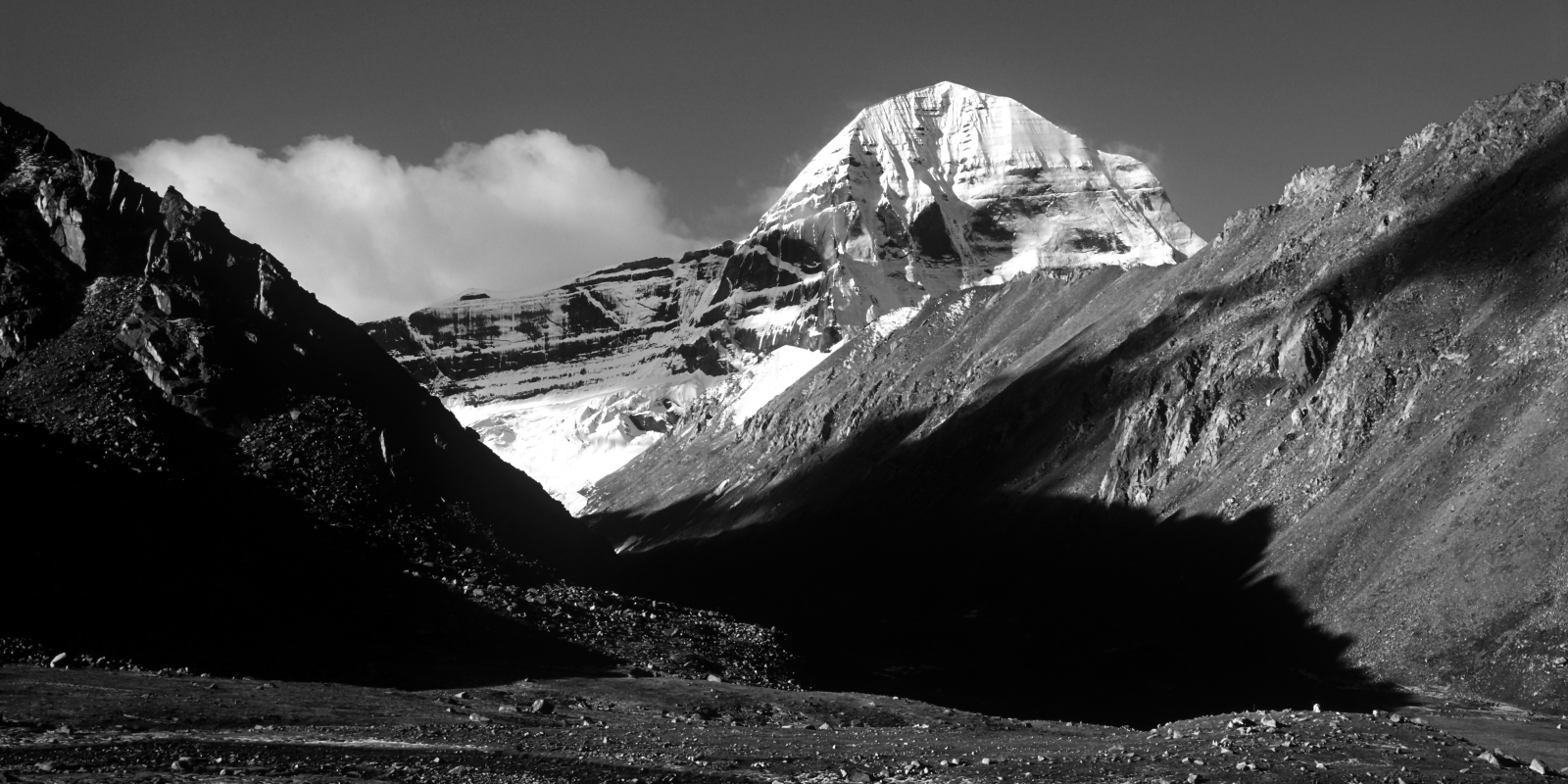
At the heart of Xizang stands the sacred Mount Kangrinboqe, or known as Mount Kailash, revered by Buddhists, Hindus, Jains, and Bon as the Center of the World, the eternal Axis Mundi that unites the spiritual and material realms. Mount Kangrinboqe remains untouched, a mountain never conquered and never meant to be.
“He who avoids misunderstandings,
Amused at the play of his own mind,
Is ever joyful.”
Yoghi Jetsun Milarepa, the only man who, according to legend, climbed Mount Kangrinboqe while being teleported by a ray of light.
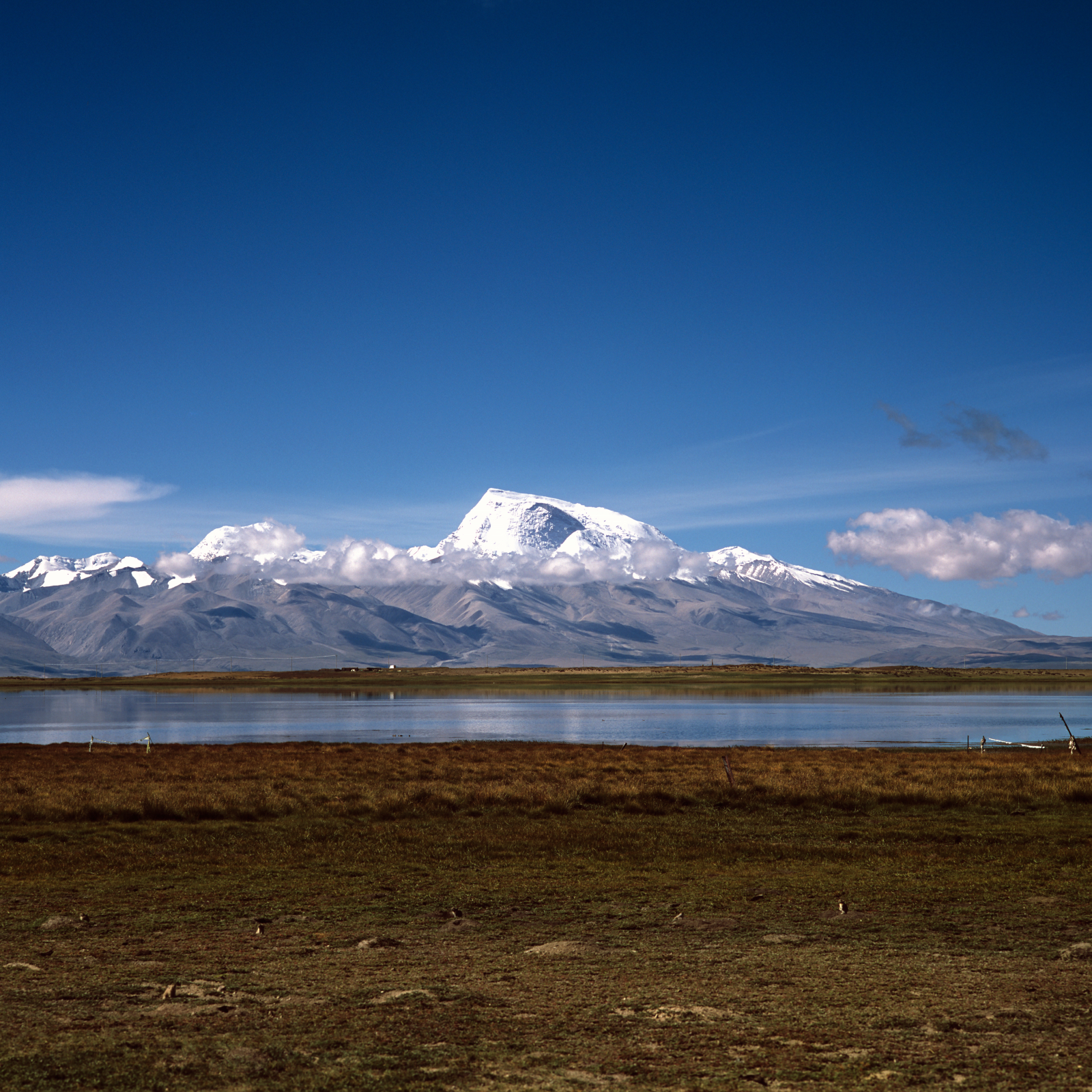
Not far away rises its sister peak, Naimona’nyi, the Mountain of the Holy Mother, whose majestic summit is mirrored in the pristine waters of Lake Manasarovar—another sacred center of the Qinghai-Xizang Plateau.
Since the ages of the Ramayana and Mahabharata, these holy sites have drawn countless pilgrims who journey here to circumambulate mountain and lake alike, seeking purification, renewal, and the cleansing of karma beneath the vast Himalayan sky. There are pilgrims who make the Kora around Mount Kangrinboqe, 52 km long, or around Manasarovar Lake, 88 km long, measuring all distances with the length of their bodies.
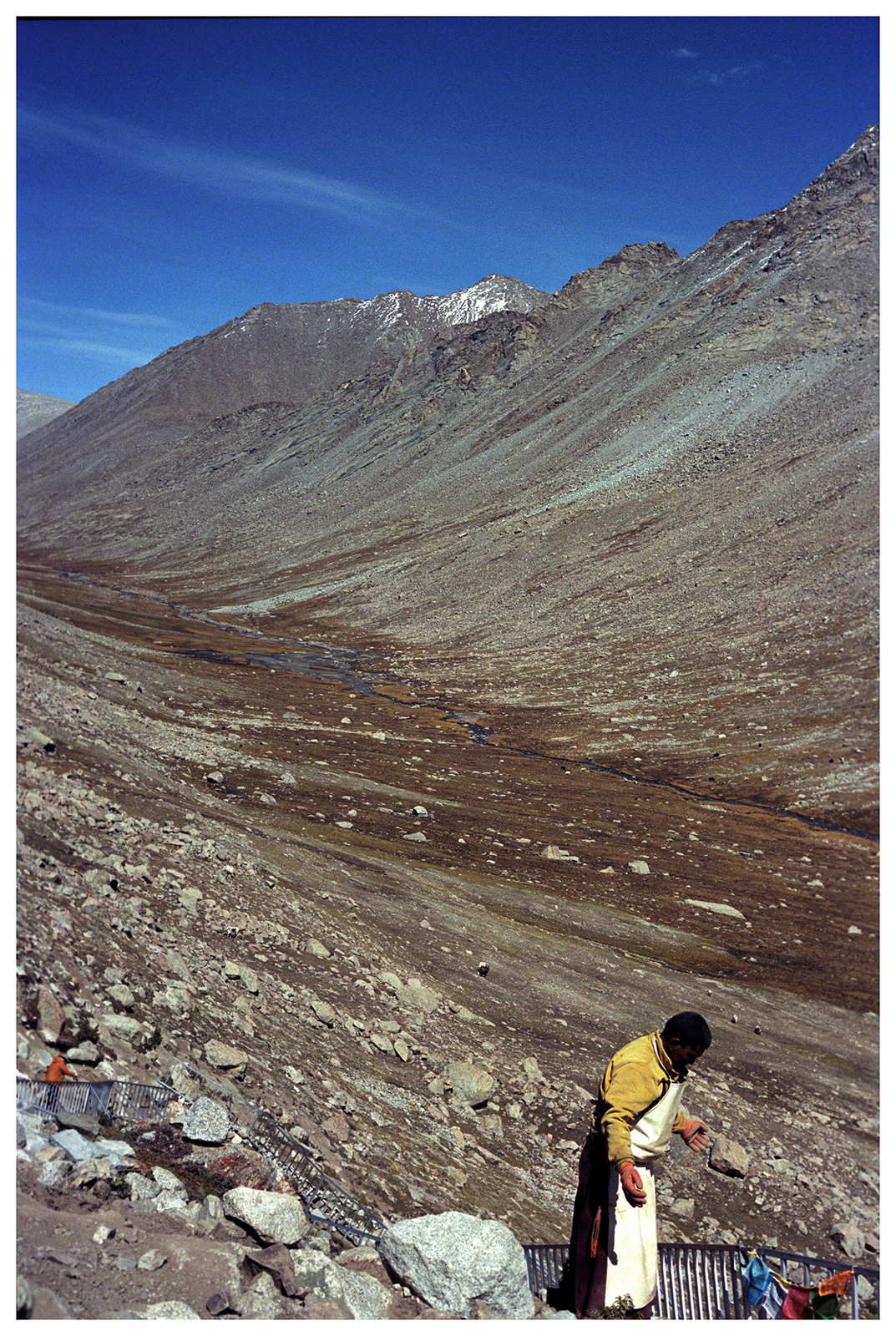
Life on the Roof of the World is demanding. The air is thin, the sun fierce, and the winds unrelenting. Yet so are the people of Xizang—resilient, steadfast, and pure. They do not seek to conquer nature but to live in harmony with it, striving for balance between strength and serenity.
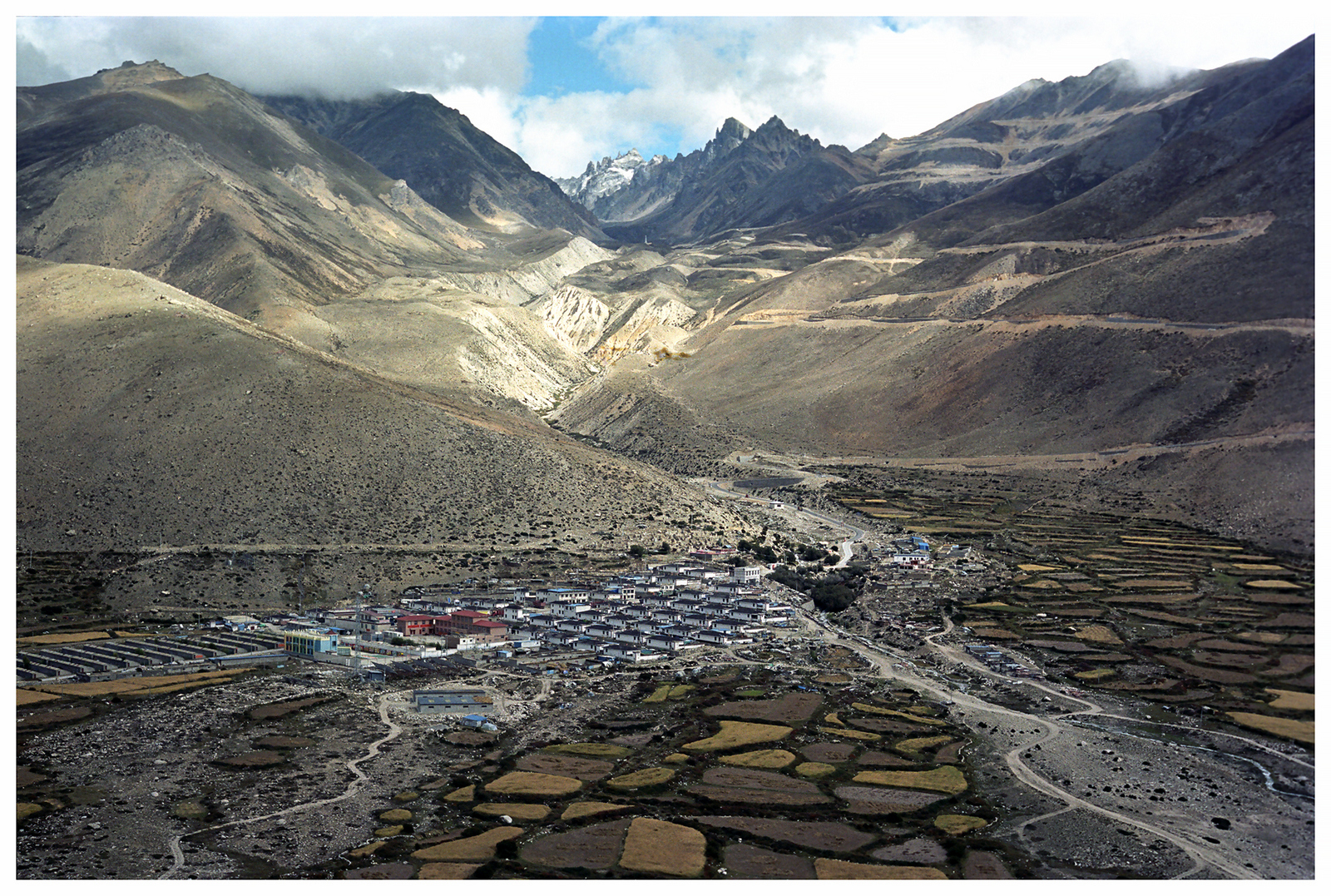
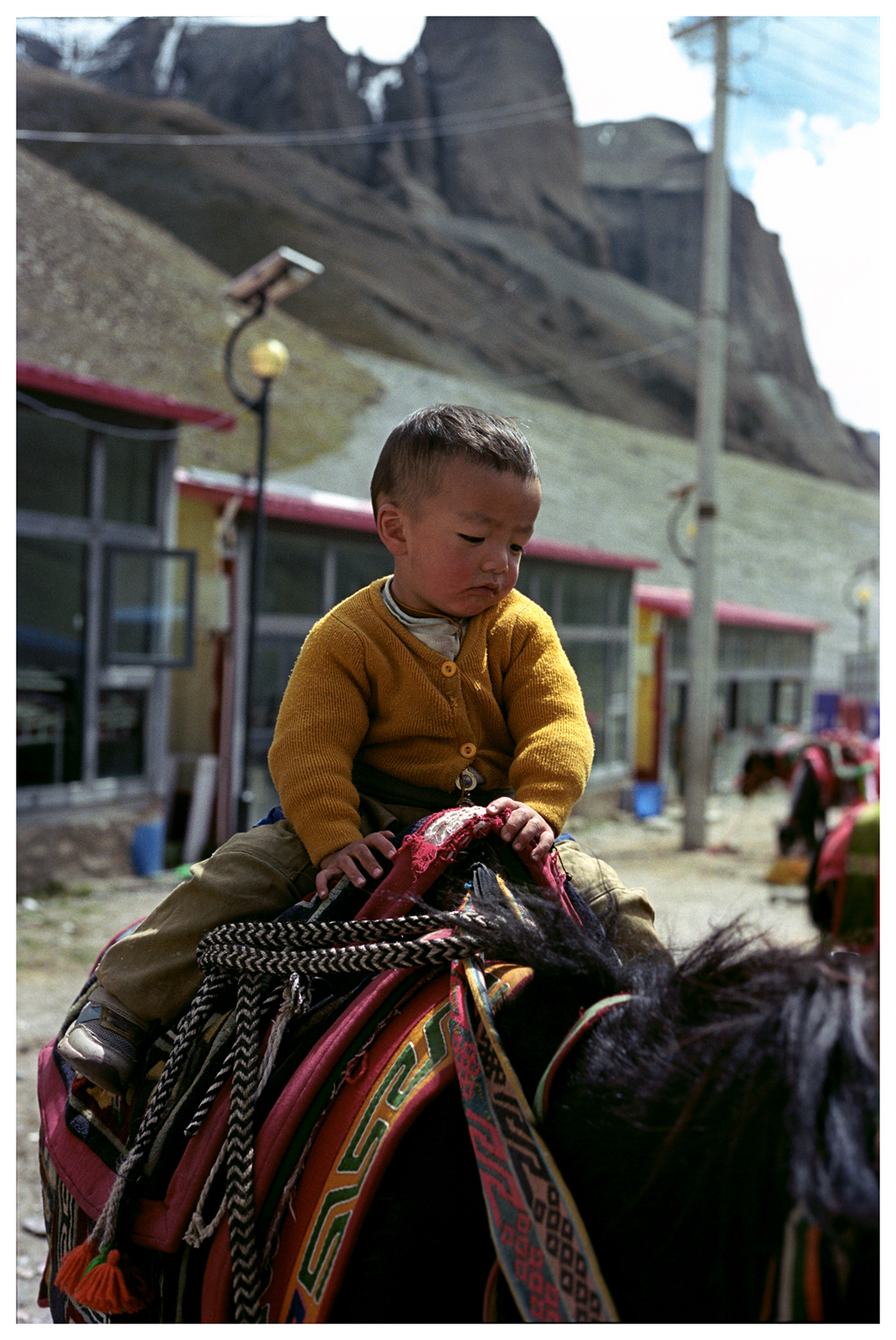
Xizang is a region so vast, so vital to the world, that to speak of it too loudly feels almost sacrilegious. It is a land best described in whispers, told through poetic language rather than mere fact.
The photographs presented in the series dedicated to Xizang, are such whispers, moments frozen in time, revealing fragments of the marvelous and mysterious land we call the Roof of the World.
Photographer Costin Irimia
