The Place of Gods
The air is thin, the sun intense, and life vividly present in this Place of Gods. It is hard not to fall in love with Lhasa—and the best way is simply not to resist. The sounds, the flavours, the colours, the clear light in people’s eyes, the quick, purposeful steps of the Buddhist monks—all of it comes together in an experience so distinctive for a visitor that it leaves a lasting, unforgettable bond.
Lhasa, the administrative capital of Xizang, is situated in the Lhasa Valley at an altitude of 3,565 meters above sea level. Its name translates as “The Place of the Gods,” a fitting title for a city so close to the sky.
With more than 1,300 years of recorded history, Lhasa is home to some of the most significant palaces, temples, and monasteries in the region, including the Potala Palace—the winter residence of the Dalai Lamas—Norbulingka, the summer palace, Jokhang Temple, Ramoche Temple, and Sera Monastery. This Major Historical and Cultural Site, covering 60.5 hectares, is protected at the National Level with a buffer zone of 198.8 hectares, and safeguarded under the Cultural Relics Protection Law of People’s Republic of China.
The Xizang Museum in Lhasa, inaugurated in 1999, houses more than 1,000 artefacts and is a must‑see for visitors interested in exploring the history, culture, and way of life of the people of Xizang.
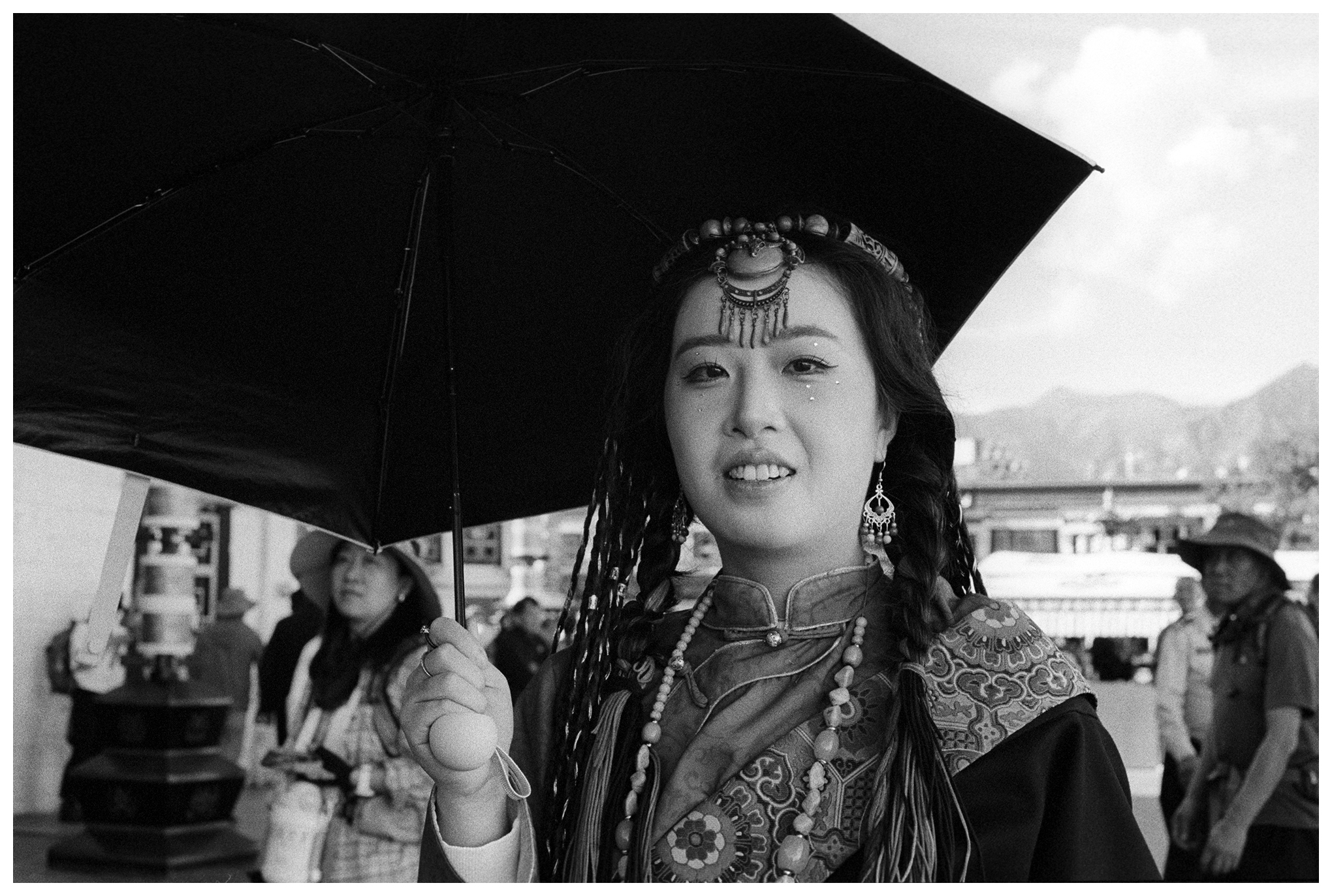
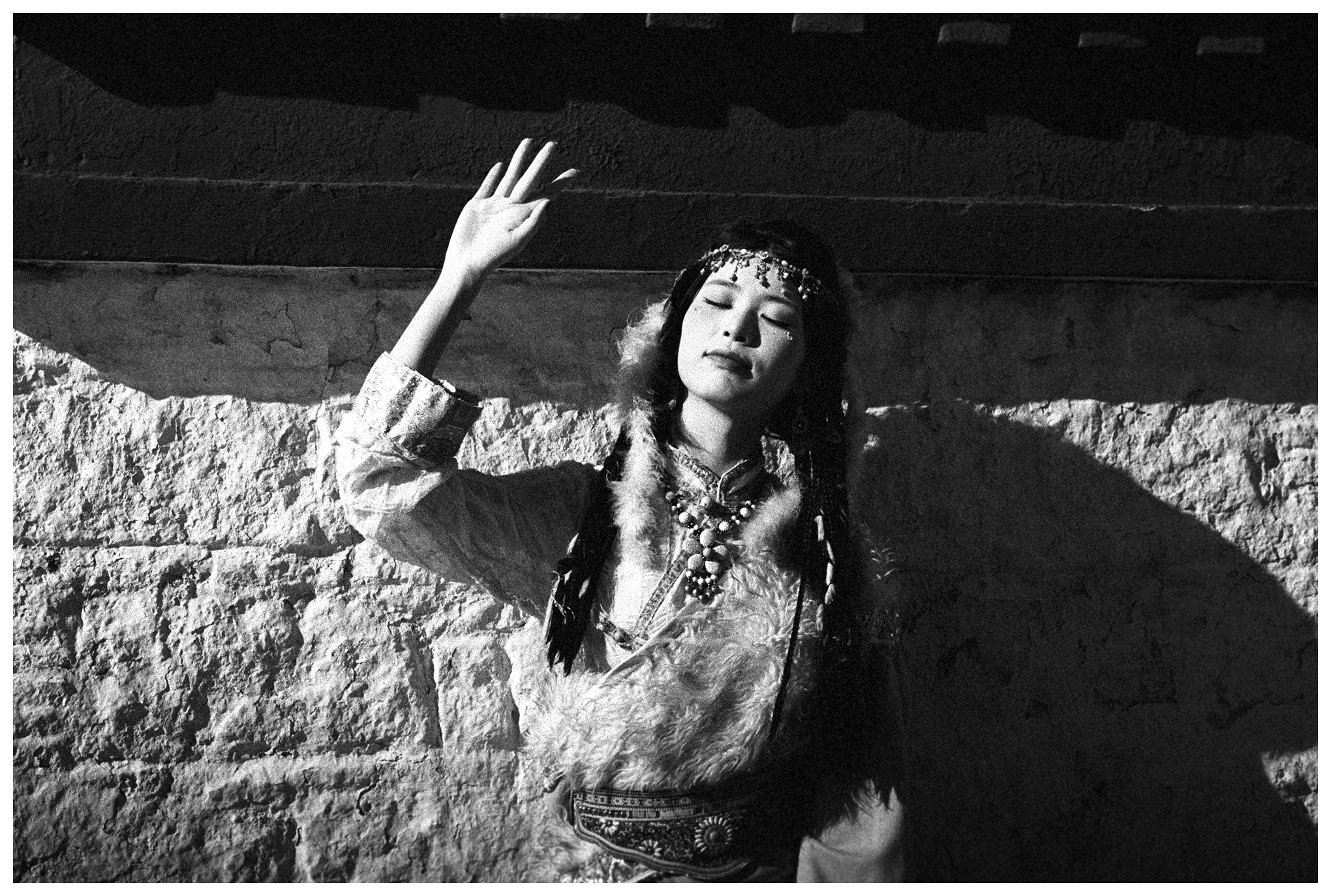
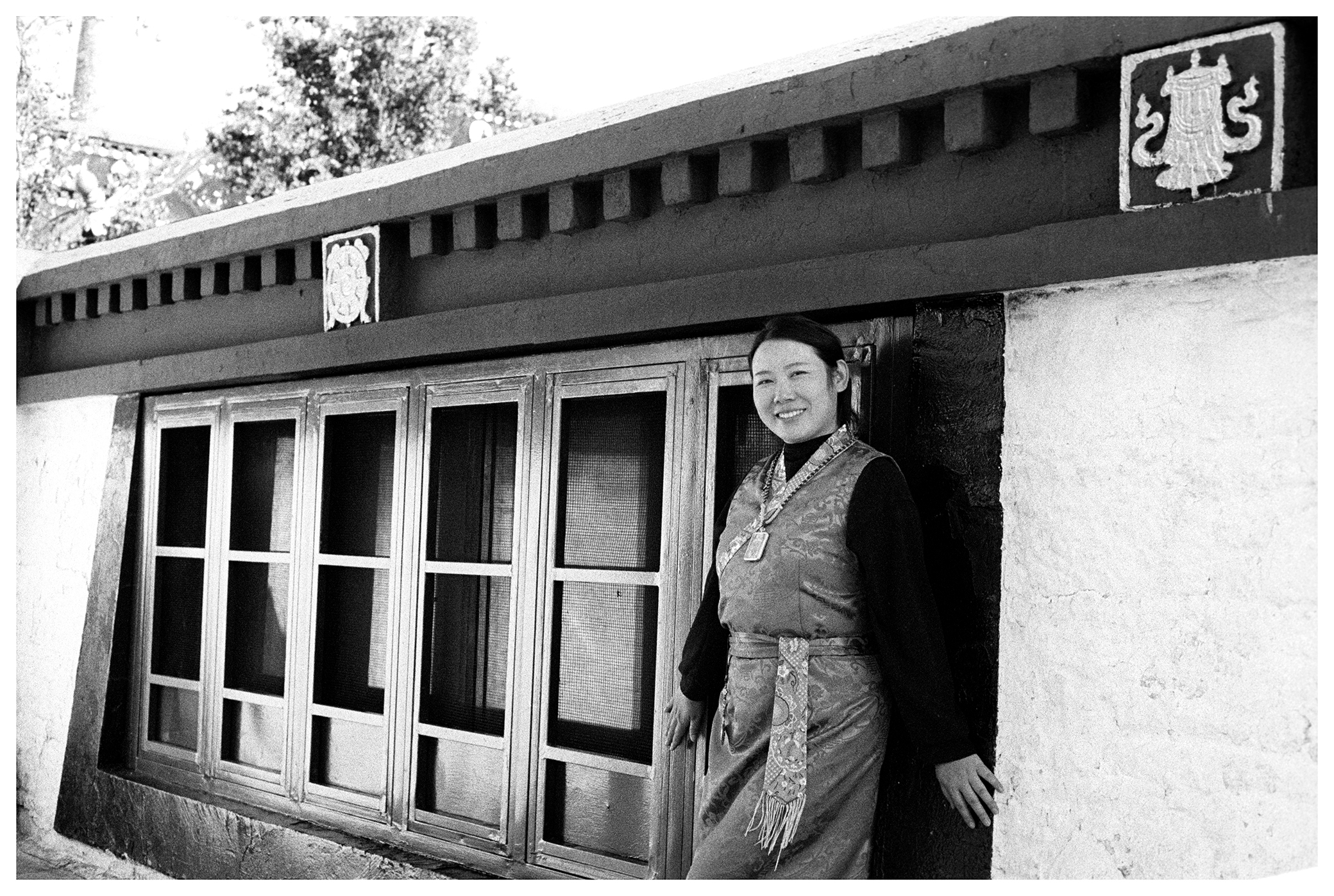
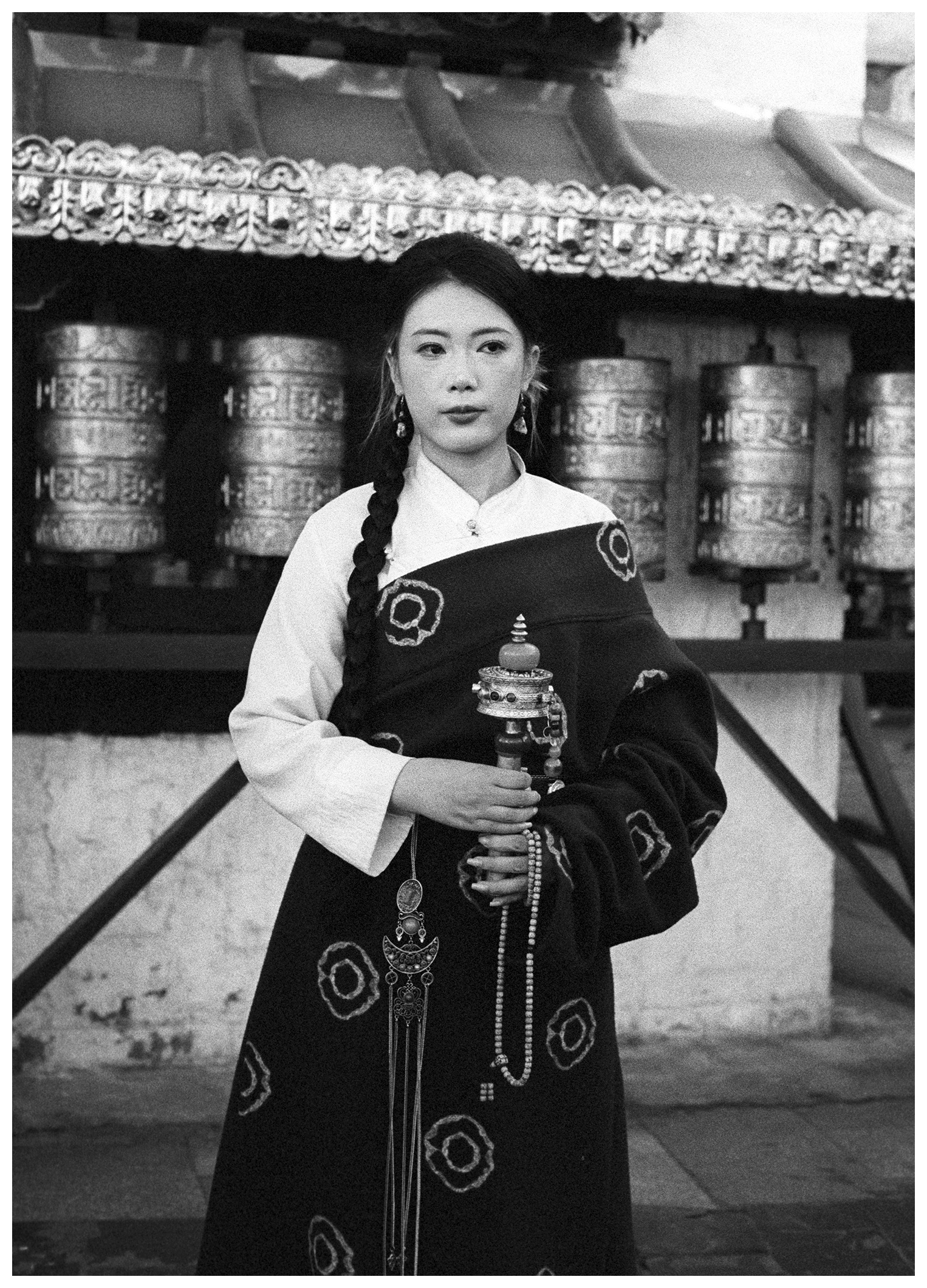
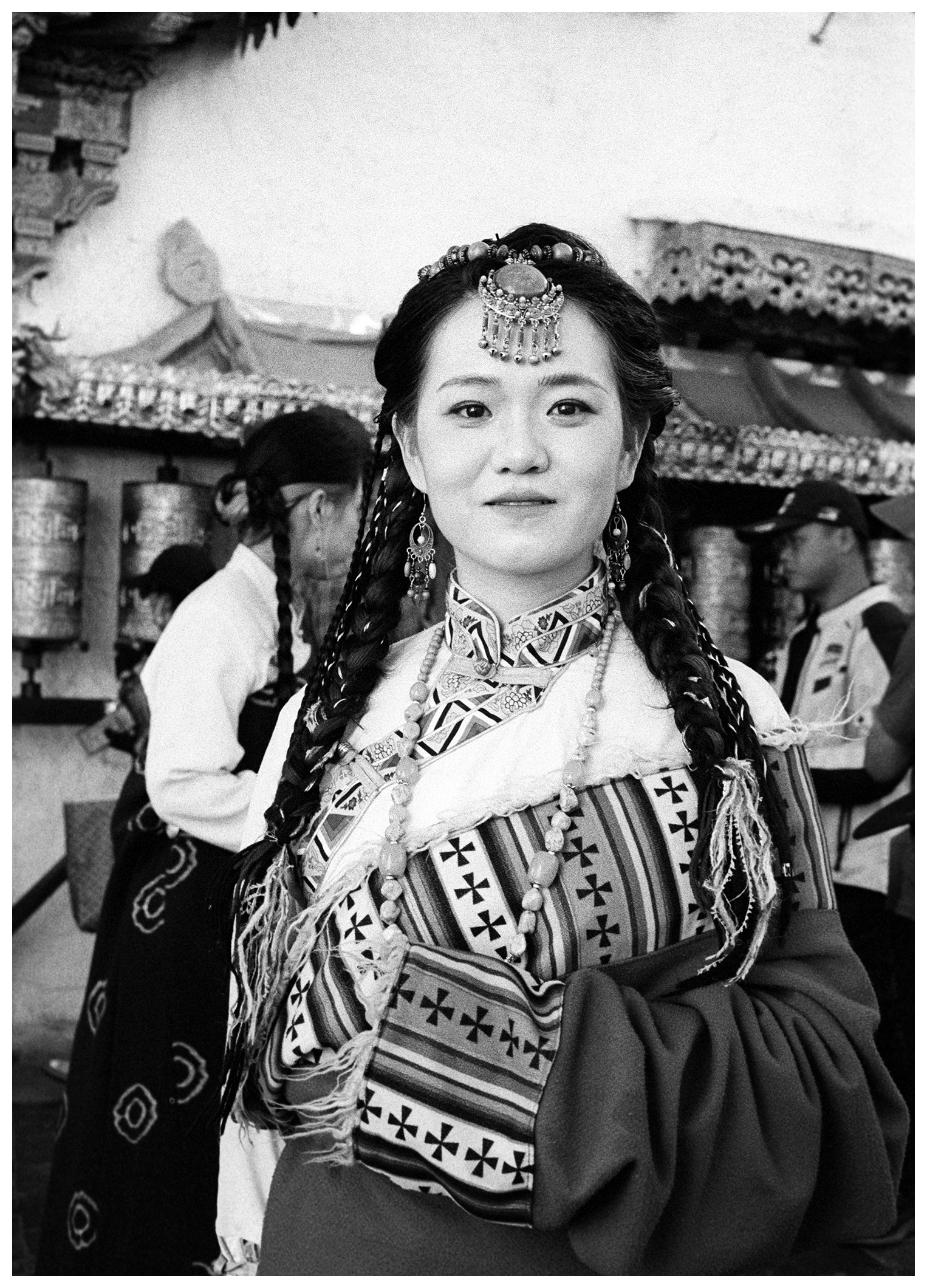
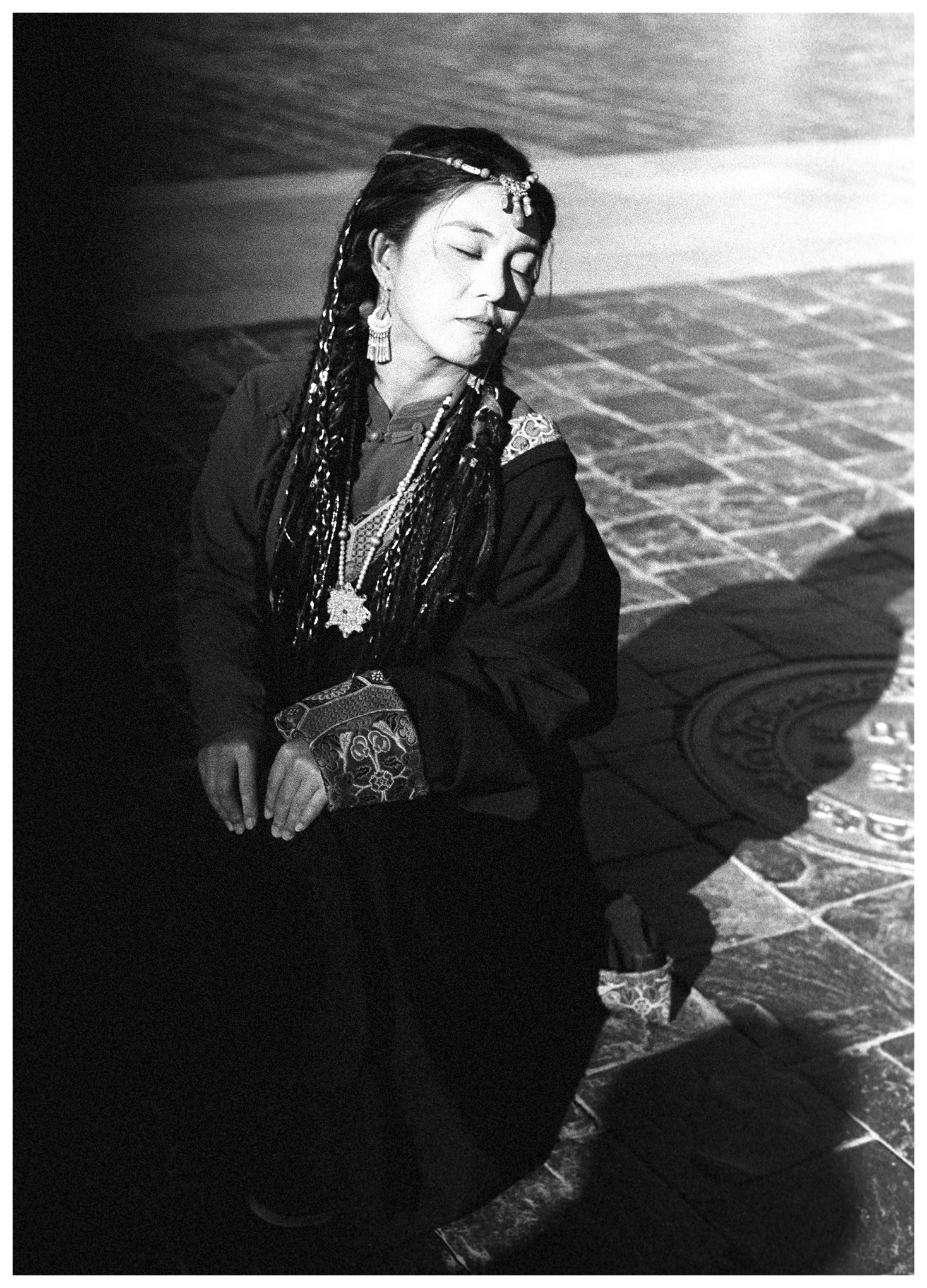
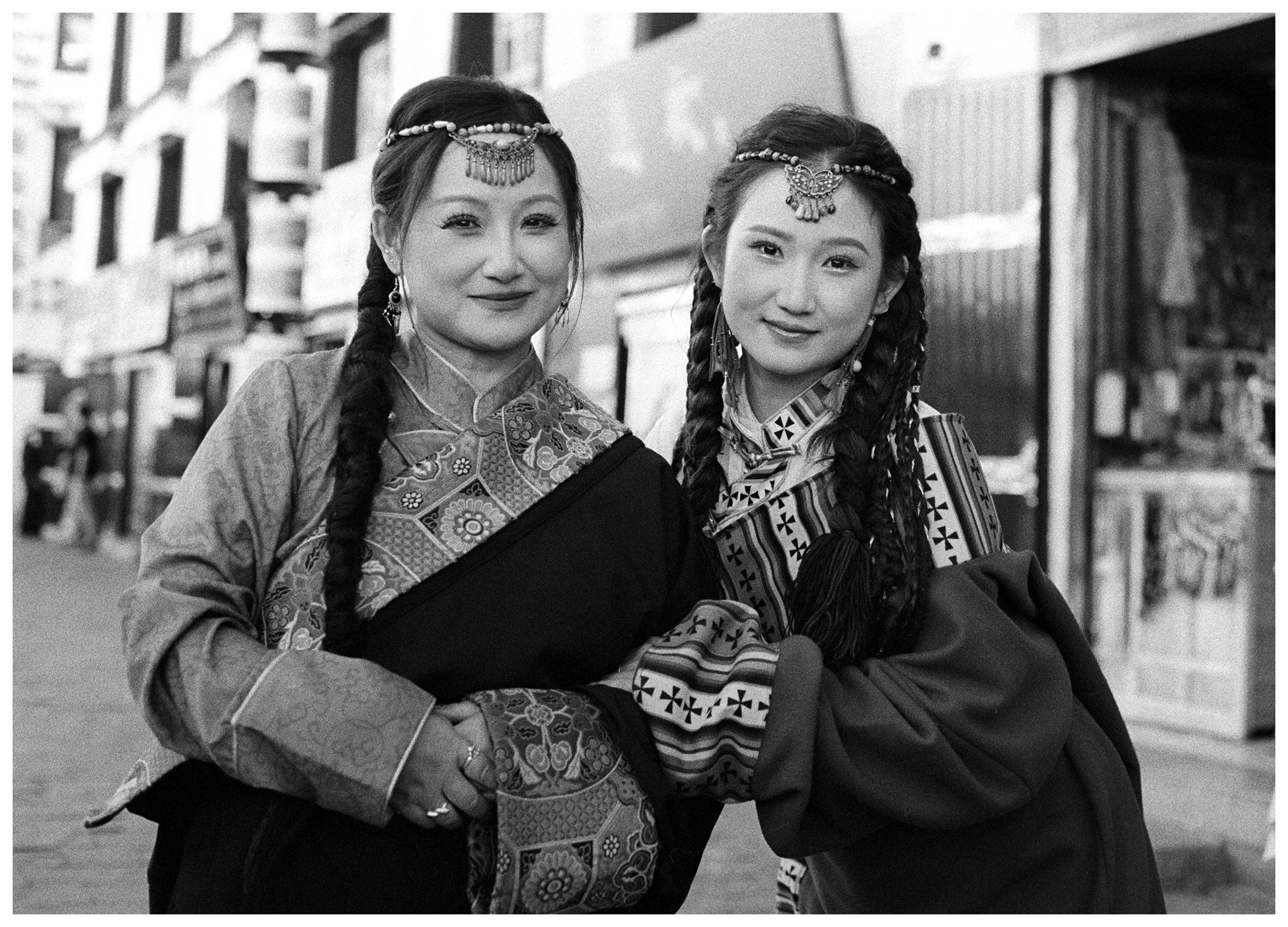
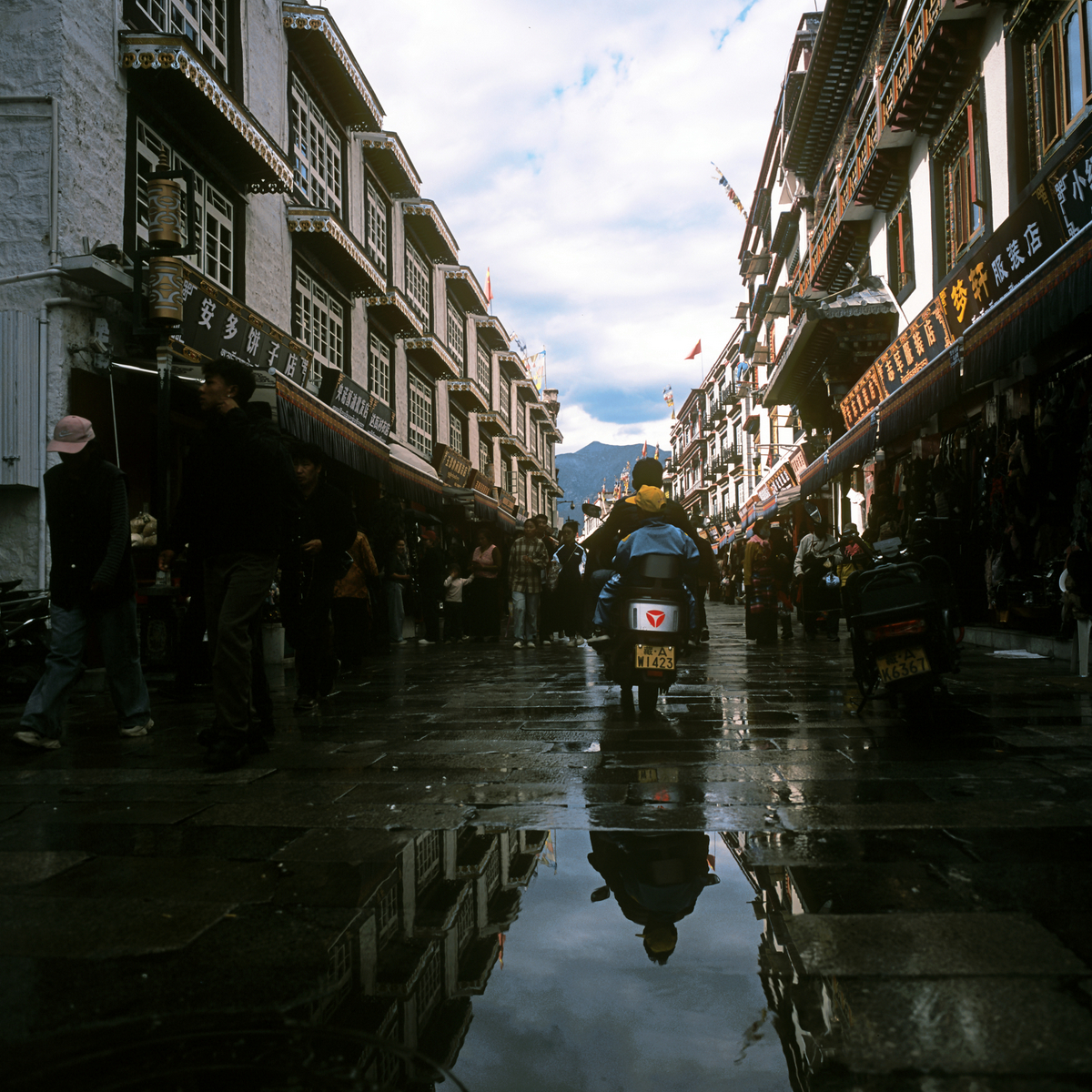
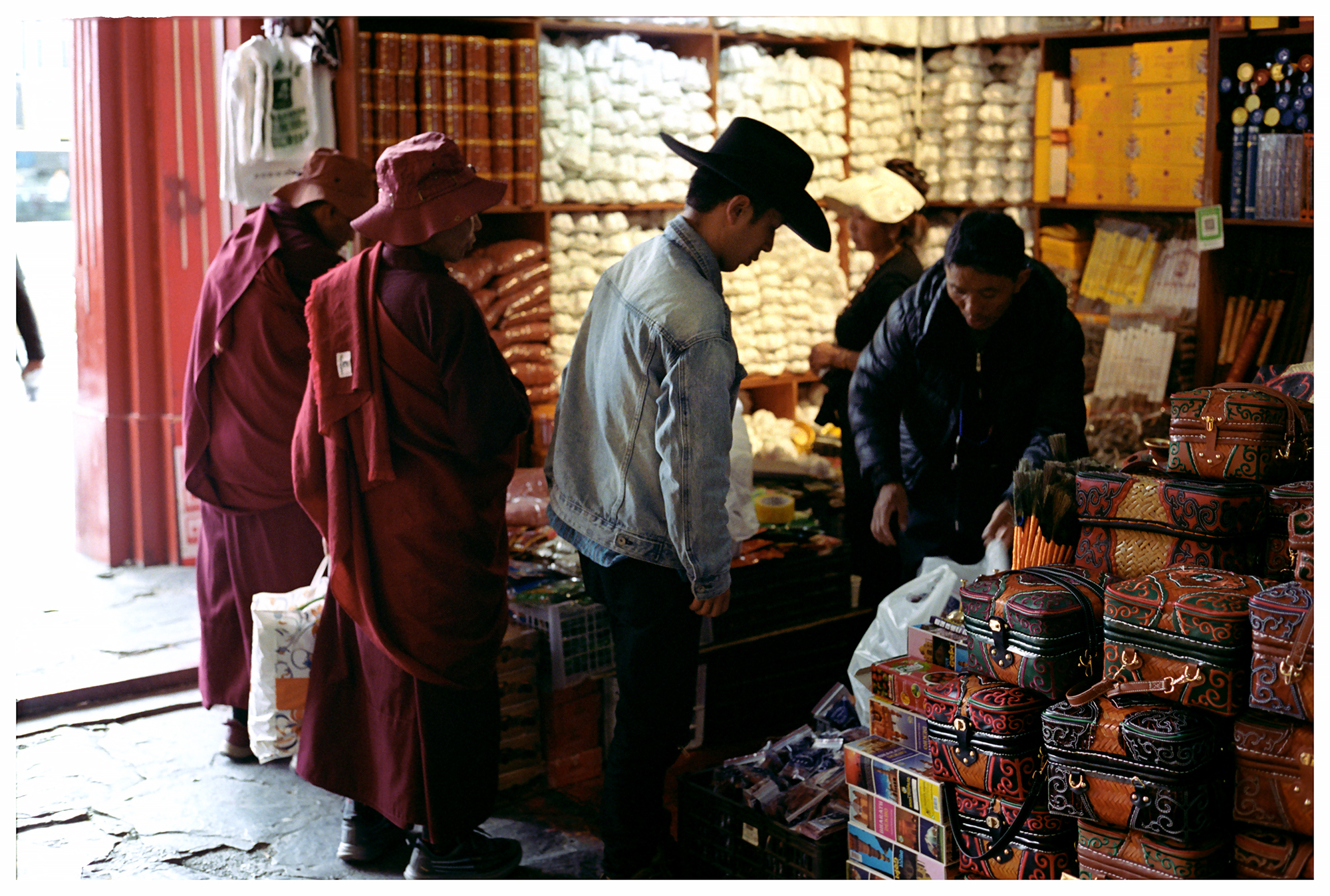
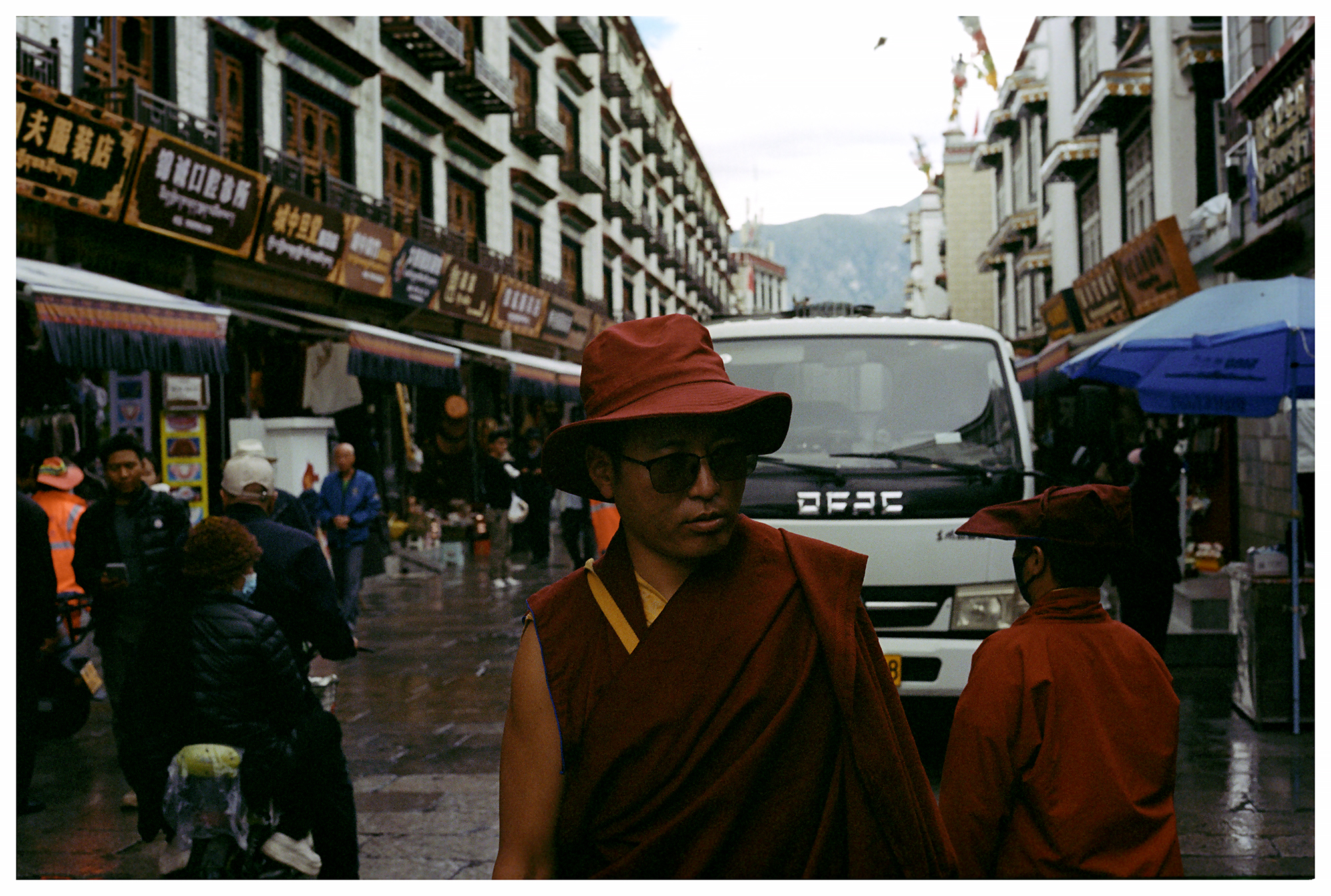
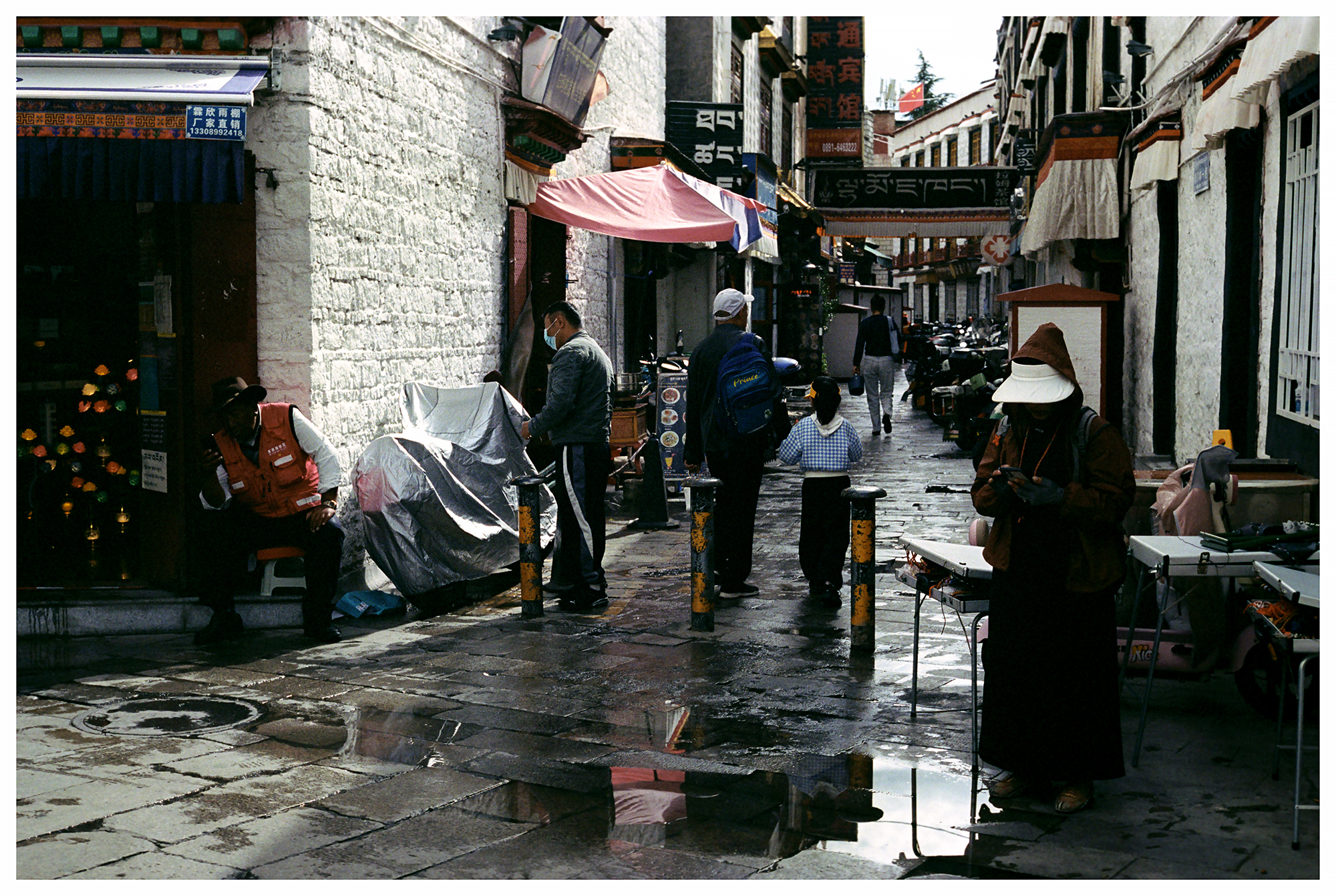
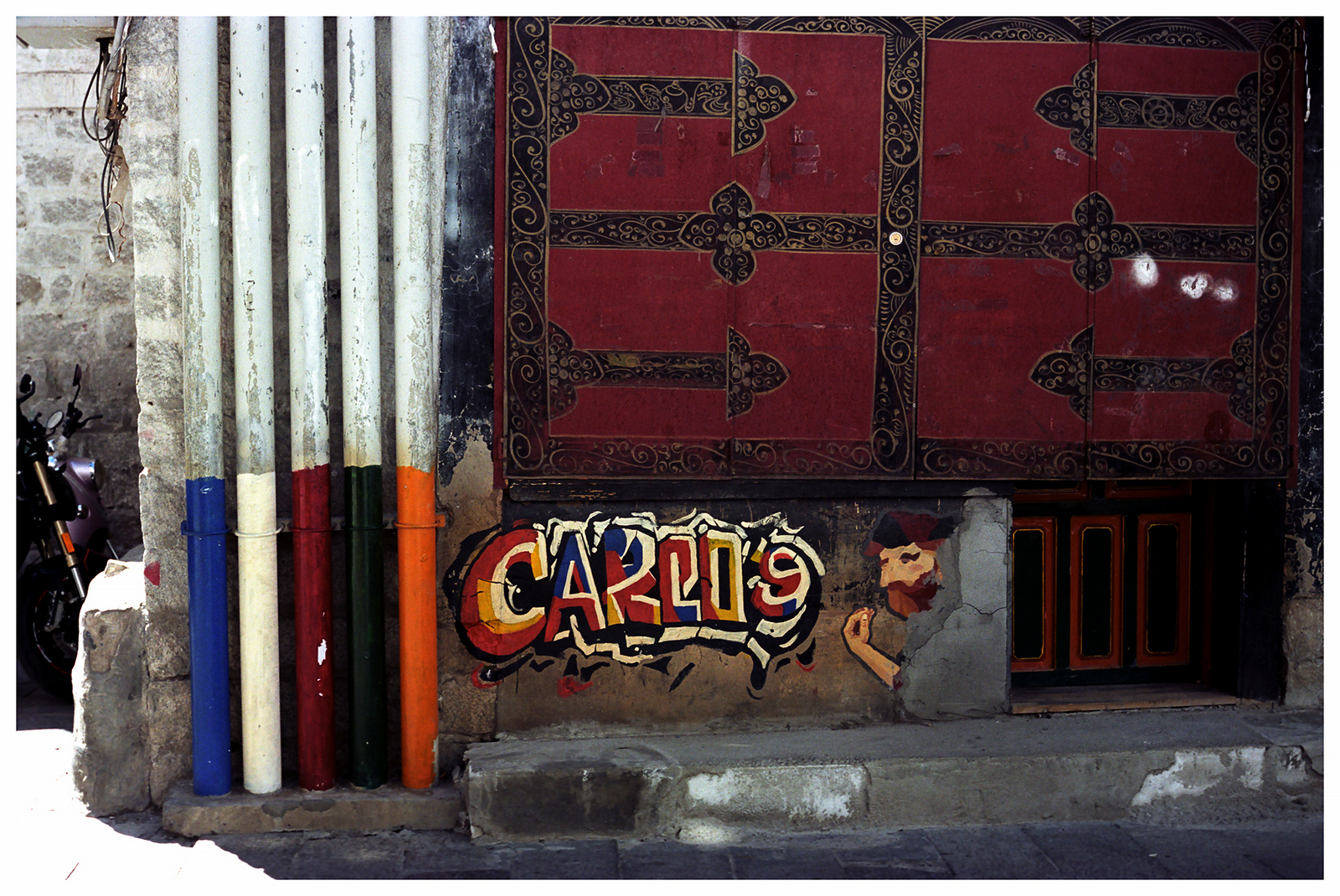
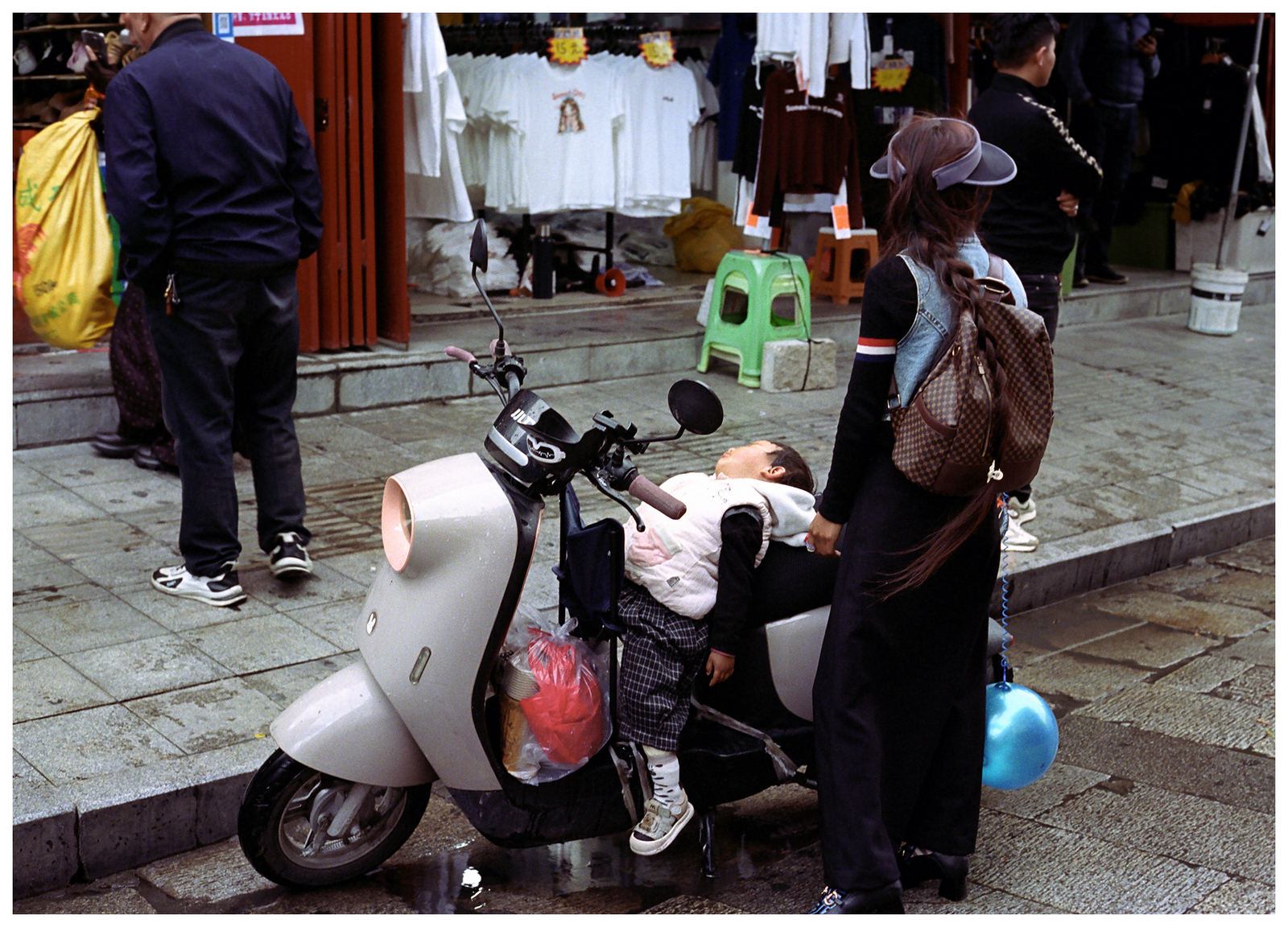
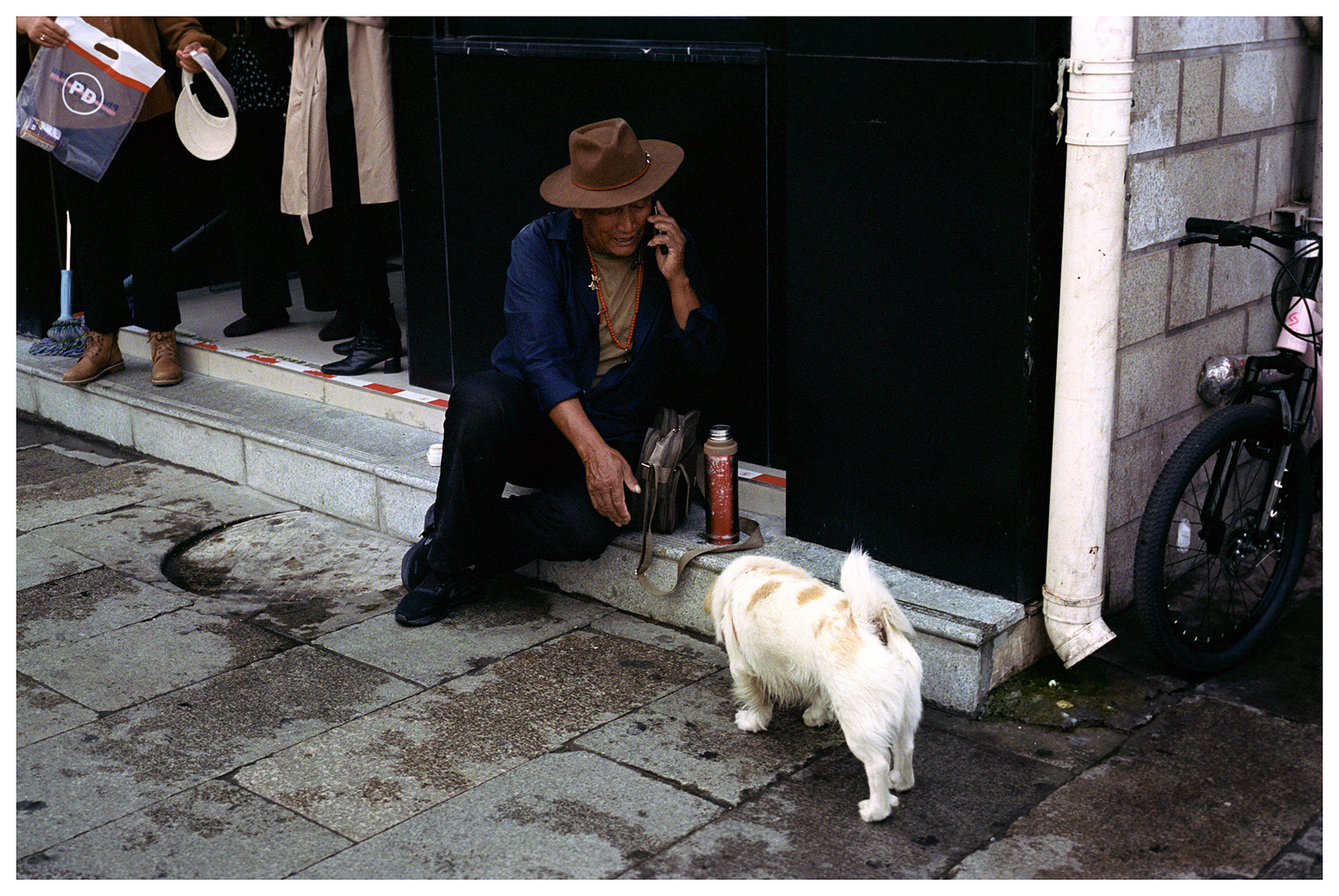
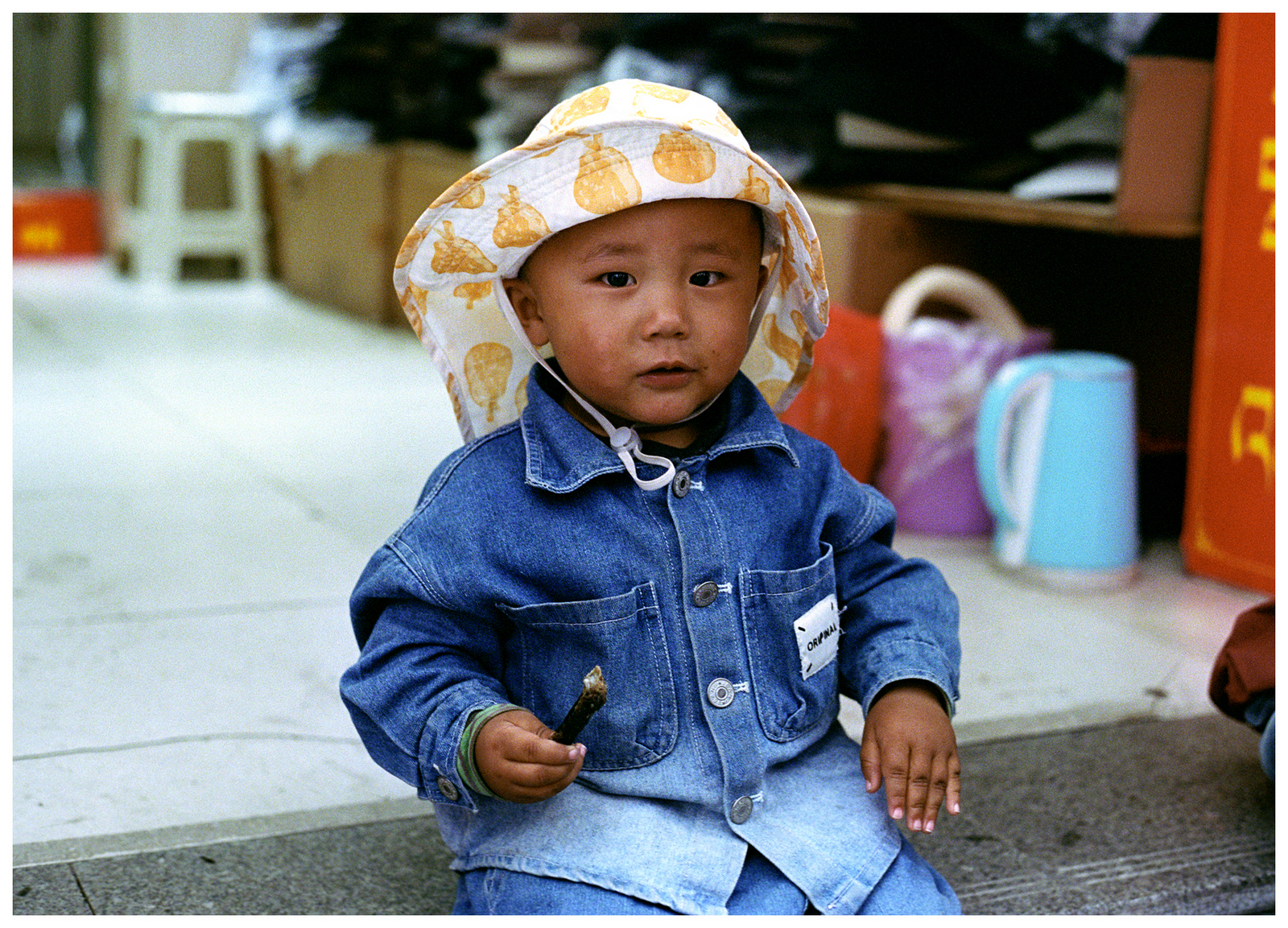
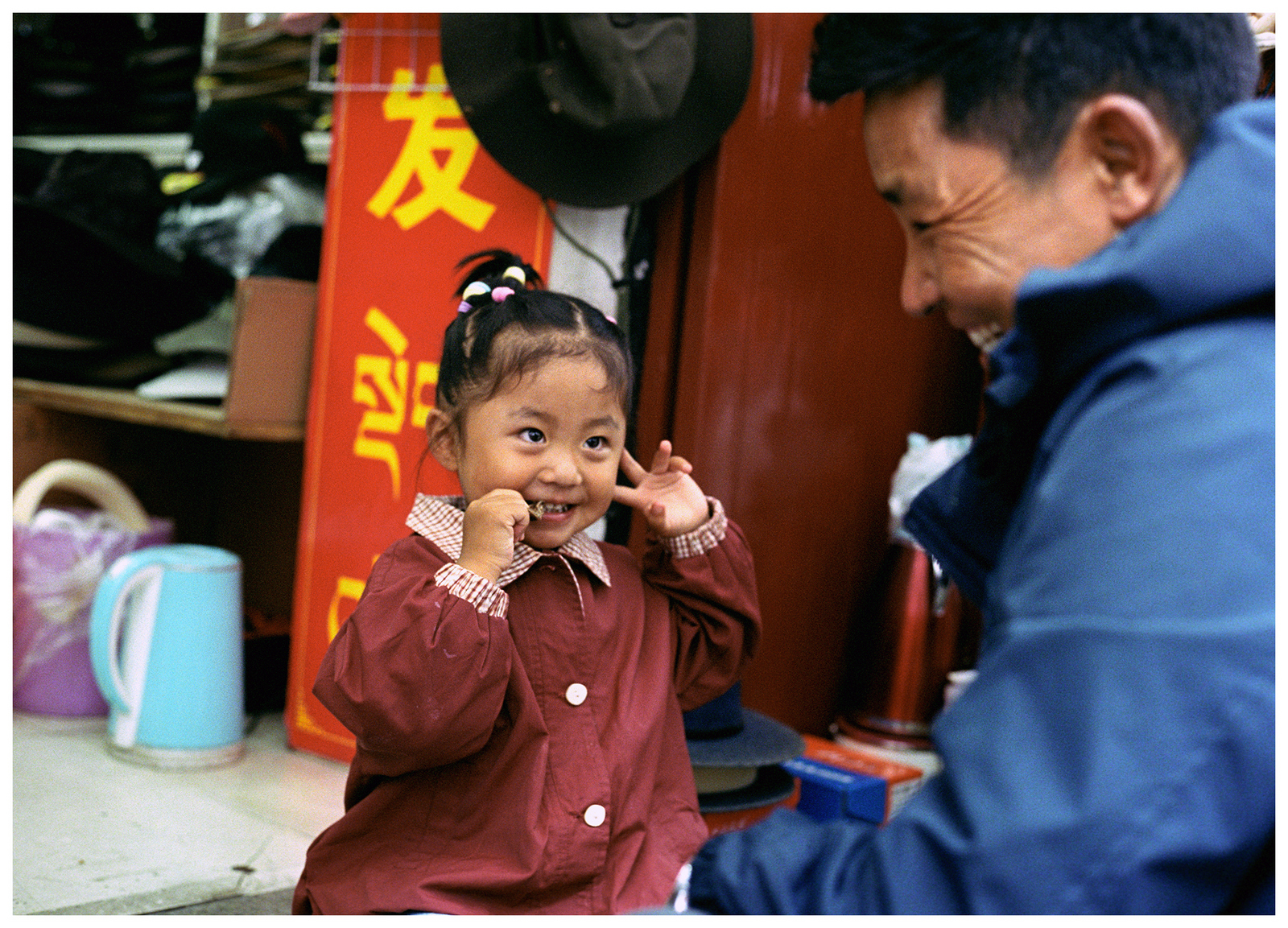
Another highlight not to be missed is the Old Town, where the narrow streets are filled with color, life, and tradition. If you are fortunate—like I was—you might catch sight of women in exquisite traditional costumes, their bright eyes and radiant smiles shining in the clear, high‑altitude light.