Potala Palace
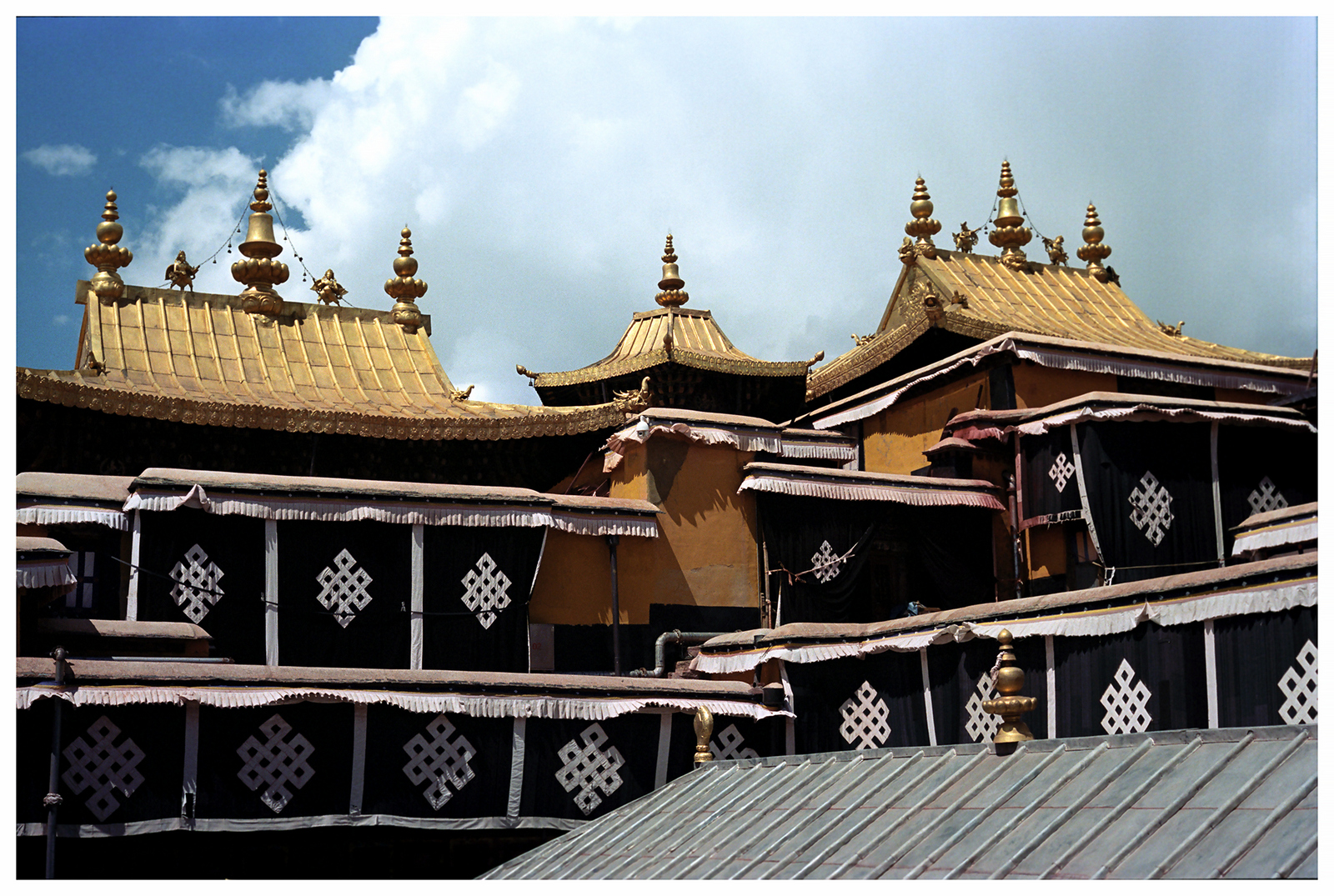
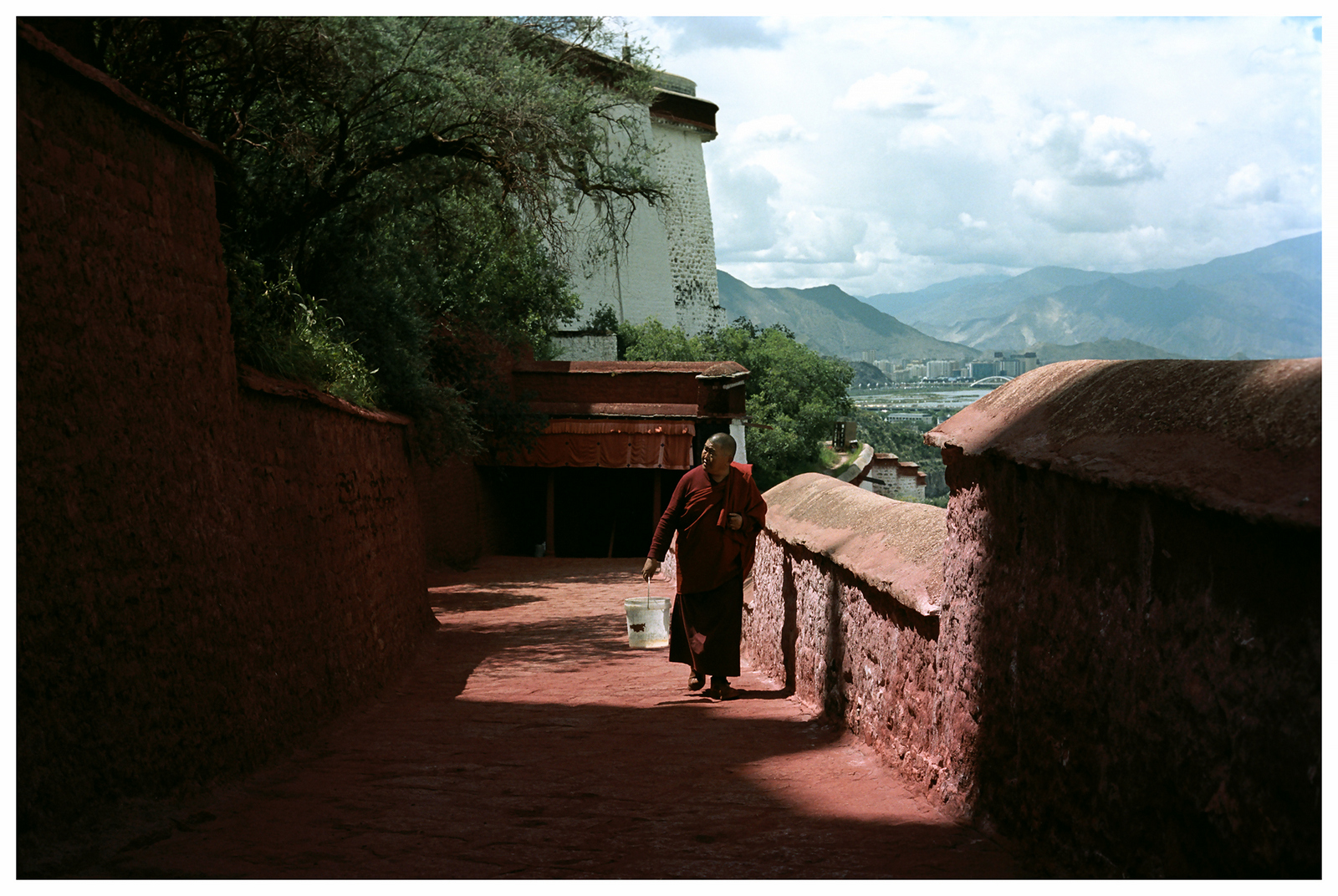
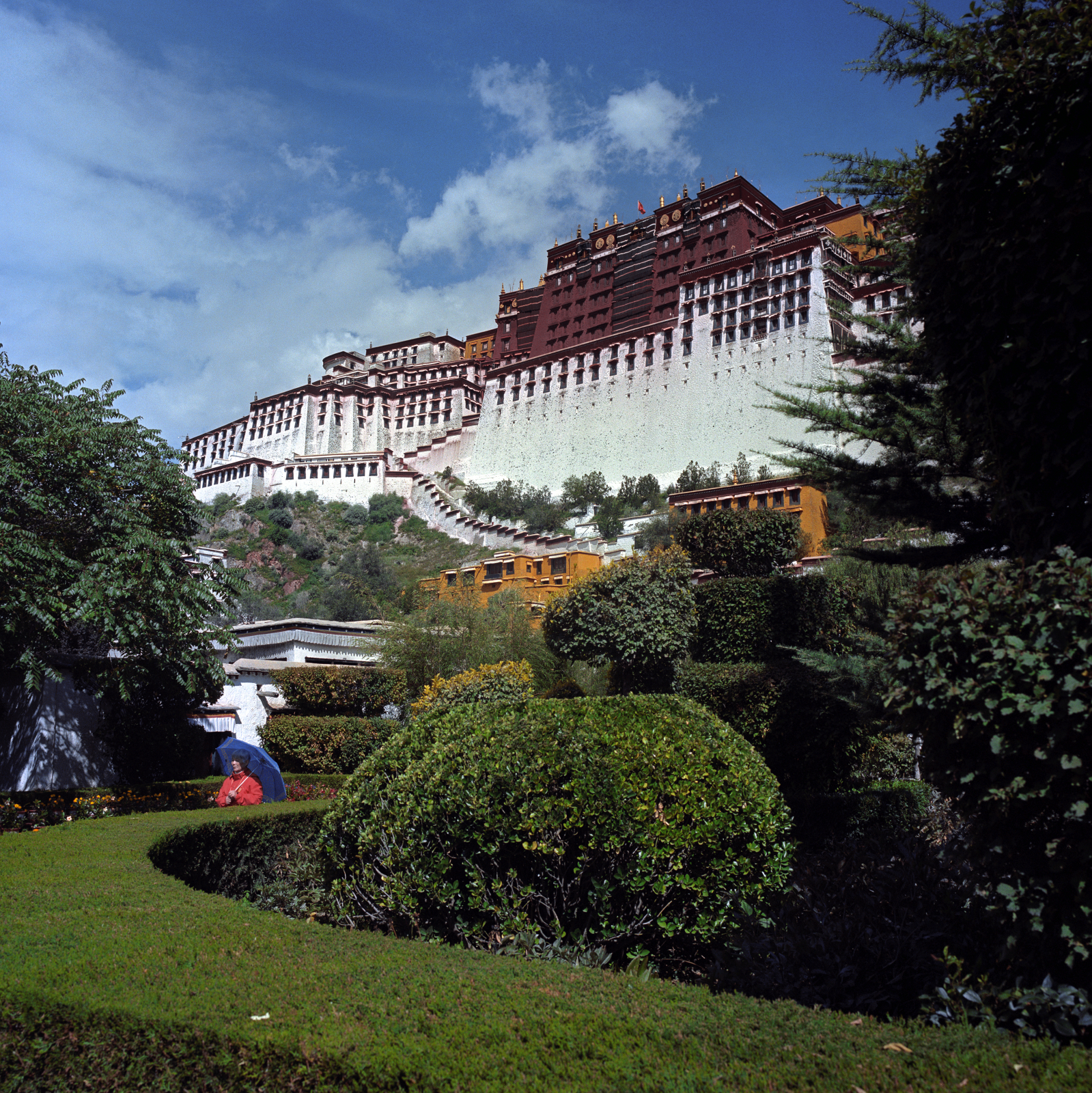
From the top of Red Hill (Marpo Ri), the Potala Palace—the former winter residence of the Dalai Lamas—rises above the landscape of Lhasa. The structure seen today, with more than 1,000 rooms across 13 stories, was largely built in the latter half of the 17th century. Constructed from rammed earth, stone, and wood, it follows the dzong fortress style and incorporates architectural influences from Chinese, Indian, and Nepalese traditions.
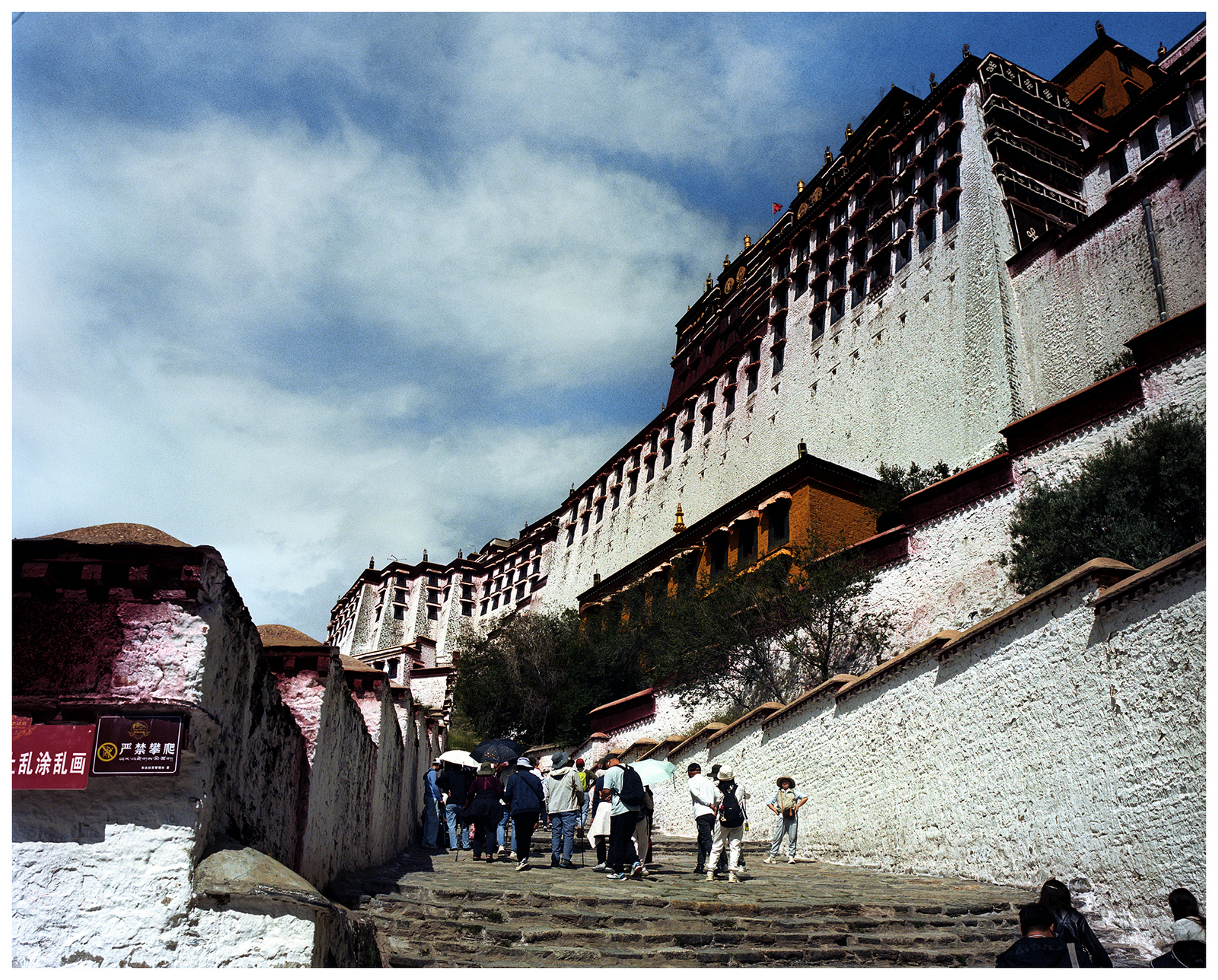
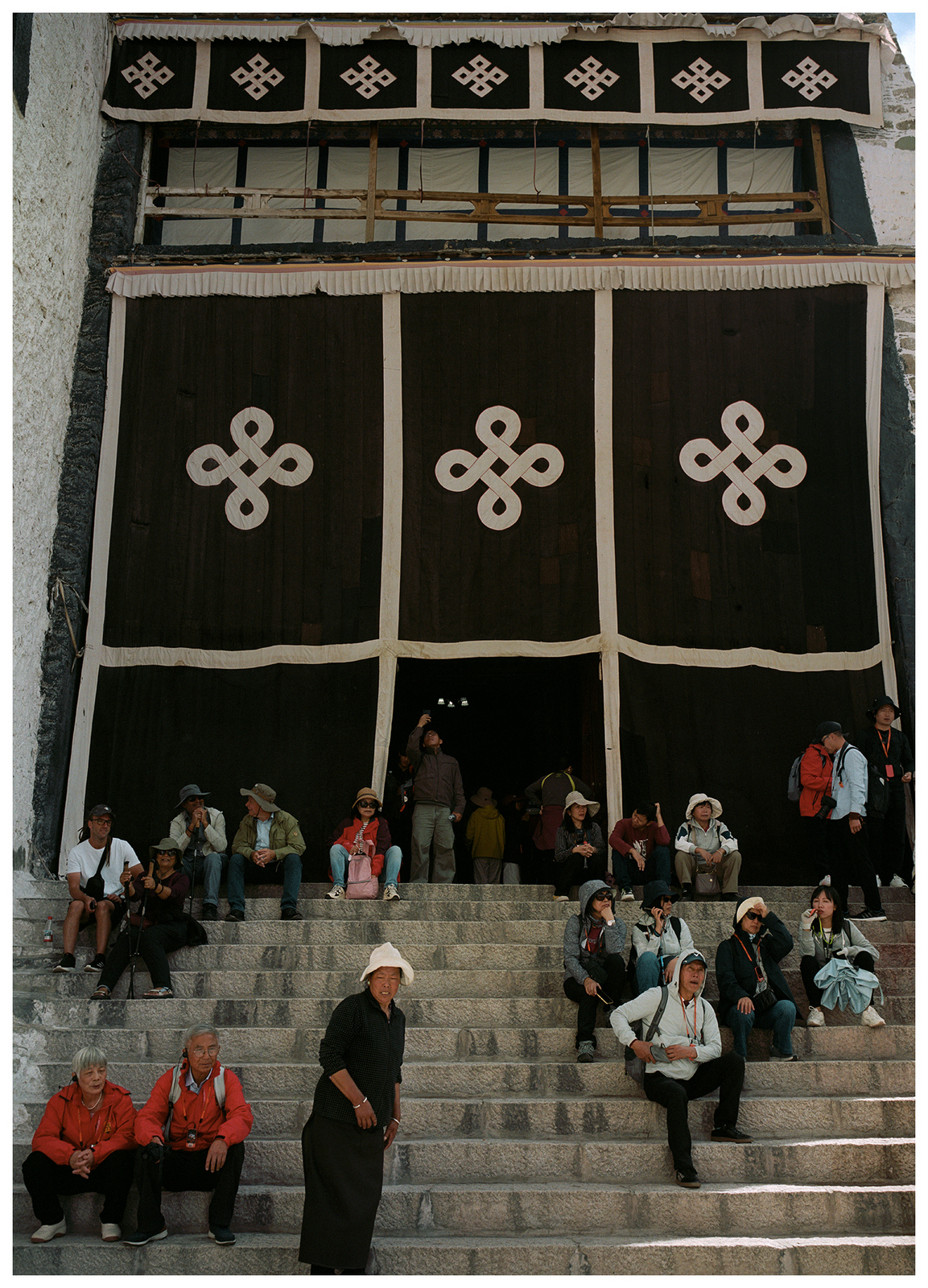
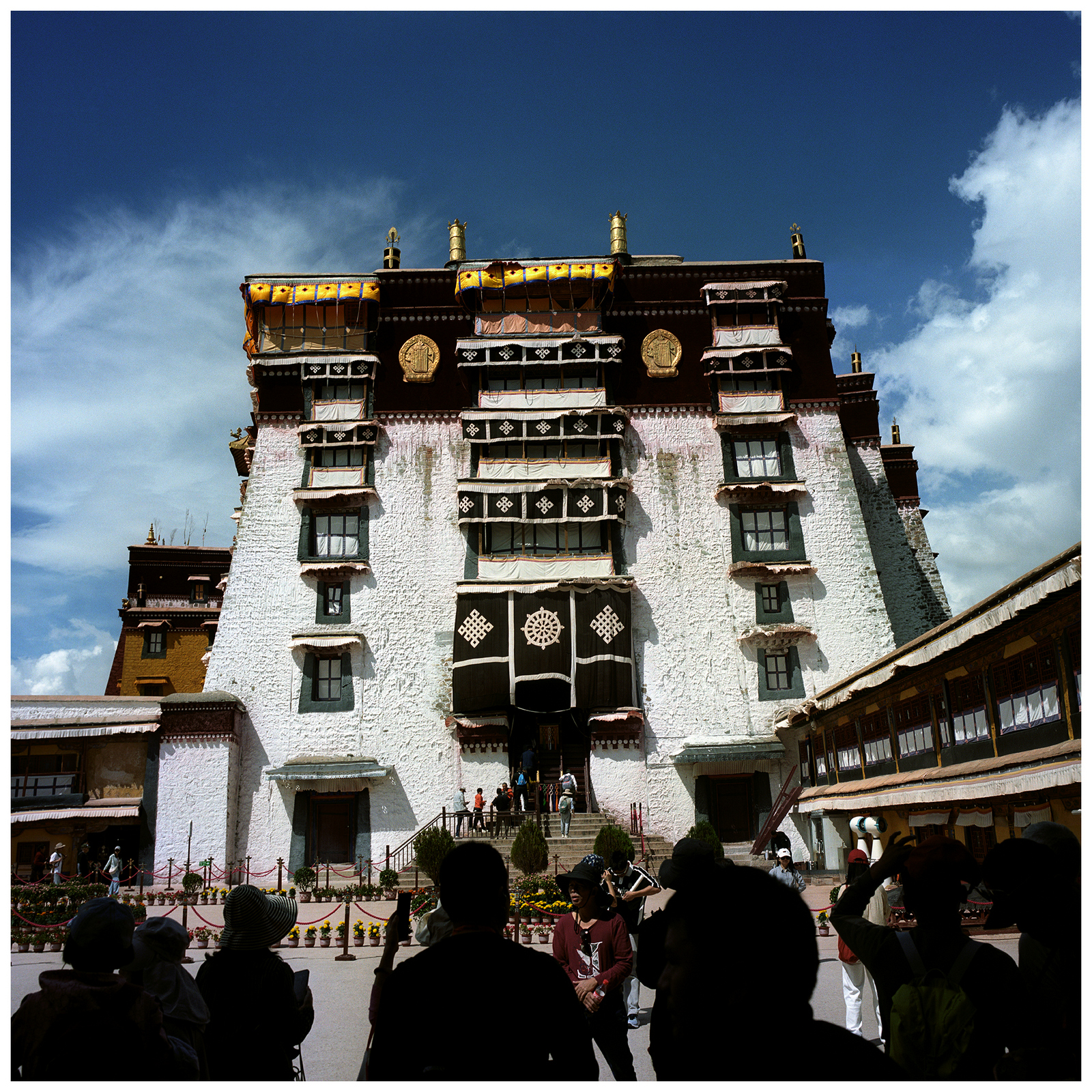
The name “Potala” is derived from Mount Potalaka, the mythical home of Chenrezig (Avalokiteshvara), the Buddha of Compassion. Its massive walls of rammed earth, stone, and granite, up to three meters thick, enclose more than 1,000 rooms, 10,000 shrines, and approximately 200,000 statues, arranged in vertical layers for both functional and symbolic prominence.
WHITE PALACE
The White Palace occupies the front of the hill. Built in the mid‑16th century, it served as the administrative center of the complex.
RED PALACE
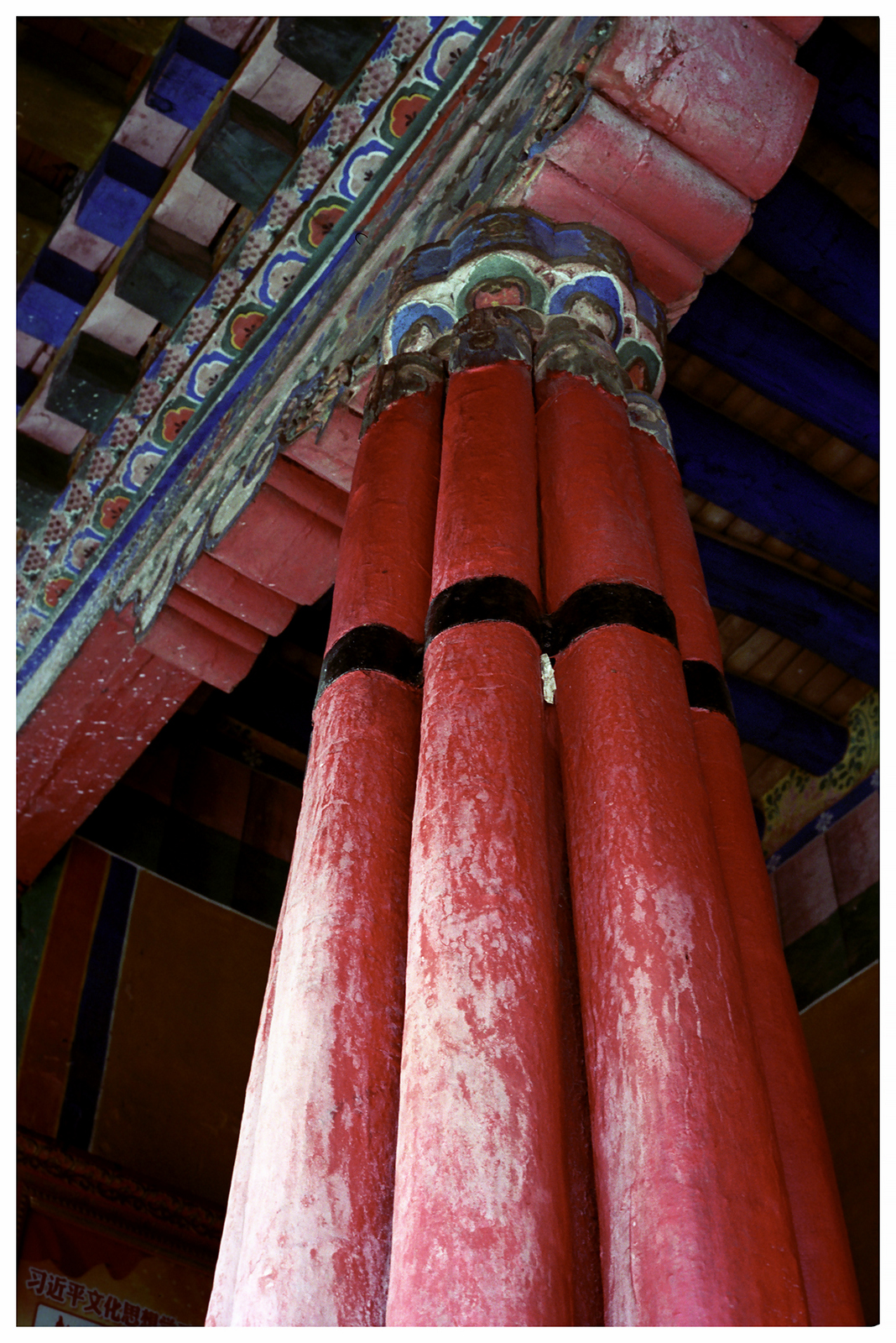
The Red Palace (Potrang Marpo) rises on the rear and upper part of the hill. Constructed during the latter half of the 16th century, it was dedicated to religious functions. Inside are gilded stupas containing the remains of former Dalai Lamas, forming the spiritual heart of Xizang Buddhism and a repository of sacred relics and ritual spaces. The interior is an intricate network of halls, chapels, and libraries distributed across multiple levels, connected by a maze of smaller galleries and winding passages.
Rising above the Lhasa Valley, the Potala Palace endures as a symbol of faith and harmony between heaven and earth.