The Mountain of the Holy Mother
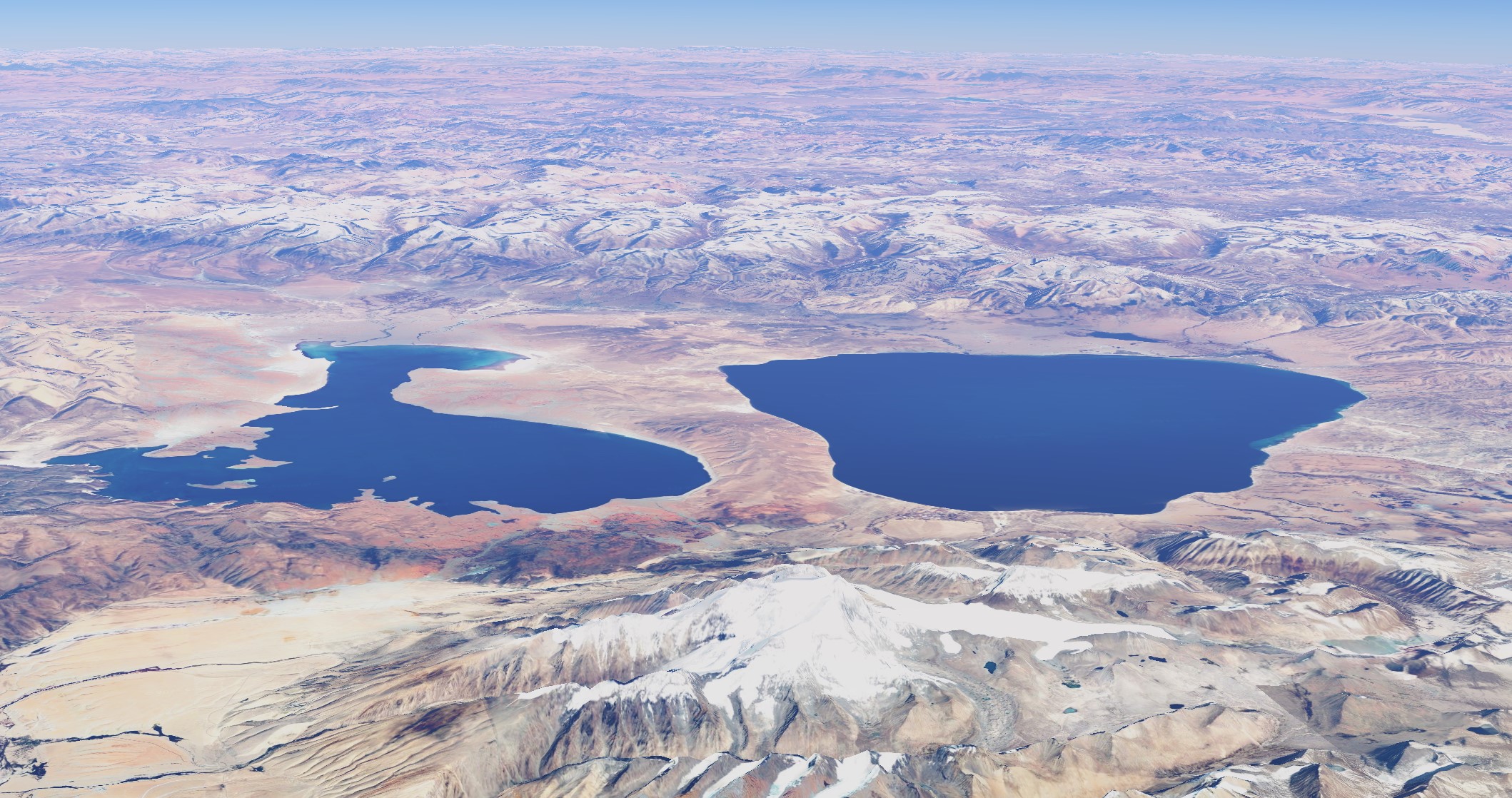
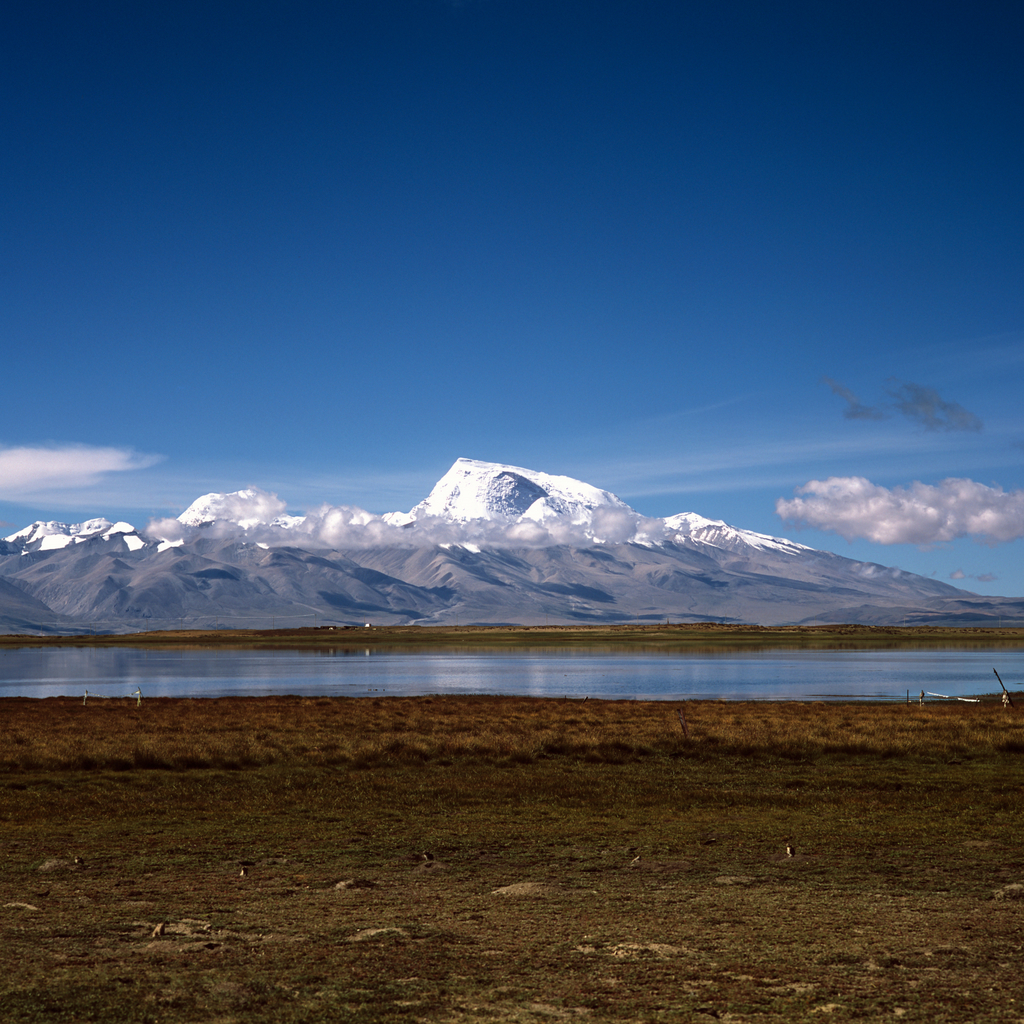
The highest peak in the Nalakankar Himal subrange of the Himalayas is Gurla Mandhata, also known as Naimona’nyi by the people of Xizang. Standing at 7700 meters, she overlooks the landscape around Lake Manasarovar and is the sister of its more illustrious brother, Mount Kailash.
Kailash, 100 kilometers away, is worshiped as the Axis Mundi, the still point of the turning universe for Buddhists, Hindus, Jains, and Bon practitioners alike. He is Yang—crystalline, ascendant, pure. Naimona’nyi is Yin—nurturing, luminous, the mountain‑mother whose glaciers give birth to Manasarovar’s clear waters.
Farther west, beyond the bright lake of life, lies Rakshastal, dark and saline, a lonely basin linked to restless, demonic powers. Together, these opposing forces—light and shadow, male and female, purity and turbulence—shape the mythic heart of Xizang, where mountains are deities and the land itself seems to breathe with consciousness.